

ArmInfo. International Ranking Fitch Ratings affirms long-term ratings for Armenia issuer default rate (IDR) in foreign currency at the level of with the forecast "Stable". This is noted in the Fitch Ratings report "Slowing Rating Dynamics in the CIS and Black Sea Region" (CIS and Black Sea Region Rating Cycle Slowing), published on February 12 this year.
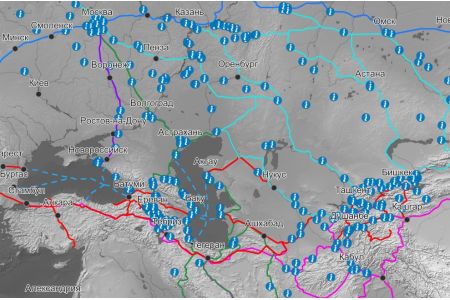
From neighboring countries of Armenia, the rating of Georgia was increased from to , Azerbaijan - downgraded from to . A country EAEC Russia's rating maintained at , Belarus - with to , and from the CIS countries reduced Uzbekistan rated rating of the Ukraine increased from - raised to Kazakhstan to .
"Most countries in the region have the Banking System Indicator used by the agency, which reflects a . The level of non-performing loans is high and often not fully reflected in official data," the Fitch Ratings report says.
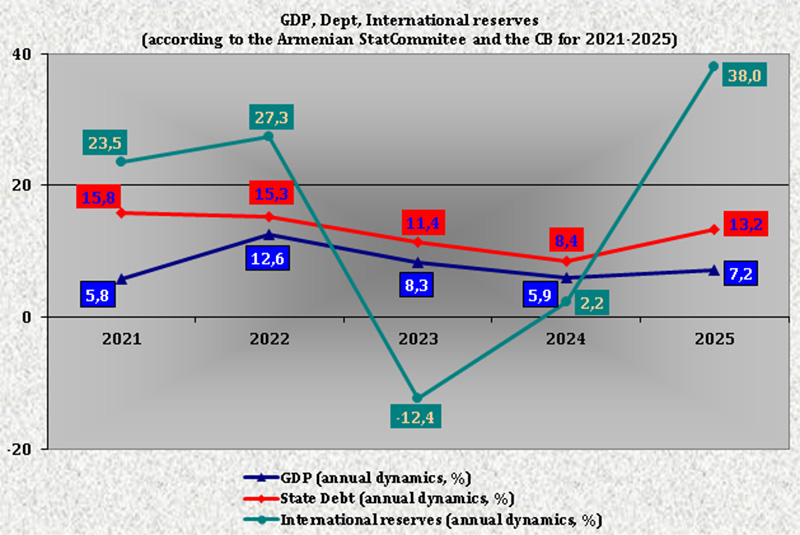
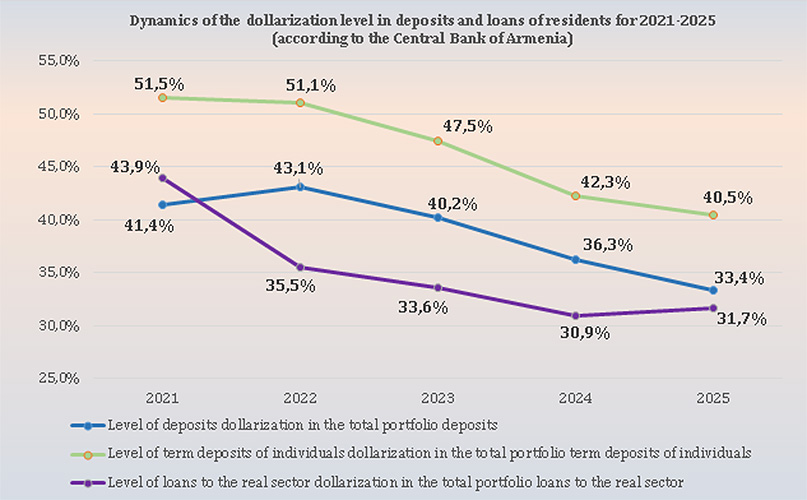
Analysts at Fitch Ratings note that government debt remains at an average of 10 percentage points. higher than at the end of 2013 The impact of devaluation, countercyclical fiscal policy, shocks in terms of commodity income and support to the banking sector decreased, and against this background, most sovereign issuers in the region provided primary surpluses and reduced debt, and budget rules were updated. However, currency risk is one of the key vulnerabilities. Over 90% of the public debt of Uzbekistan, Belarus and Azerbaijan is denominated in foreign currency, while for Armenia and Georgia this figure is close to 80%. currency risk reduction depends on the development of domestic capital markets in the national currency, which also would support the de-dollarization.
According to them, ensuring higher growth while maintaining the achievements in terms of macroeconomic stability is one of the most important tasks in a matter of policy in Russia, Belarus and Ukraine. Georgia has made the greatest progress in structural reforms, and its indicators of governance are the strongest relative to comparable countries in the region and countries with comparable ratings. Political stability is affected by unresolved regional conflicts. The high degree of centralized decision-making process in a number of countries creates uncertainty in terms of the continuity of power, although in recent years its transmission is ordered. Significant social instability was not observed, but non-systemic politicians used public discontent to come to power in Armenia and Ukraine, where both new leaders expressed their intention to implement constructive programs.
Fitch Ratings in this report also notes that the improvement in economic policies has contributed to a recovery in the CIS countries and the Black Sea region after a sharp drop in commodity prices and the crisis in Ukraine in 2014. At the same time, Fitch Ratings analysts expect that the recent positive rating dynamics are likely to slow as these countries face deeper structural challenges. "Our restrained assumptions on commodity prices do not imply a significant strengthening of balances for exporters of raw materials. Thus, with regard to Kazakhstan, Azerbaijan and Uzbekistan, we will focus on whether they will be able to increase the predictability and effectiveness of policies. Energy importers have reduced external imbalances for account for adjusting the exchange rate and improving terms of trade. Nonetheless, external liquidity and provisioning coverage remain relatively low. Hur vulnerability could have a positive impact on the ratings of Armenia, Belarus, Georgia and Ukraine ", - the report says. Analysts at Fitch Ratings believe that the improvement in the current policy reinforces a generally stable outlook on sovereign ratings in the region, but if the situation with the remaining creditworthiness is not resolved, this will be an obstacle to further improvement in ratings and may lead to pressure on creditworthiness.
It should be noted that on November 22, 2019 Fitch Ratings raised the long-term issuer default ratings (IDRs) in foreign and national currencies for one scale - to the level of with the forecast "Stable". In addition to the sovereign rating, Fitch also raised the upper limit of Armenia's ratings on long-term sovereign bonds in foreign and national currency also by a scale to the level of "BB" (country ceiling). At the same time, Fitch Ratings kept Armenia's short-term IDRs in foreign and national currencies at . The previous rating was assigned by Fitch to Armenia on May 24, 2019 (IDR "Positive" outlook), and on September 10, the company assigned the expected rating (EXP) of "B +" to the upcoming issue of sovereign currency bonds of Armenia.