

ArmInfo. In Armenia, some uncertainty is observed in terms of inflationary expectations, this is especially noticeable on the part of households. Another uncertainty is the tension on the state border.
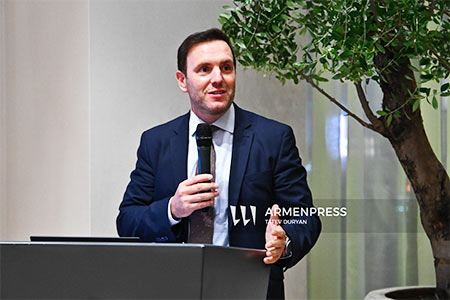
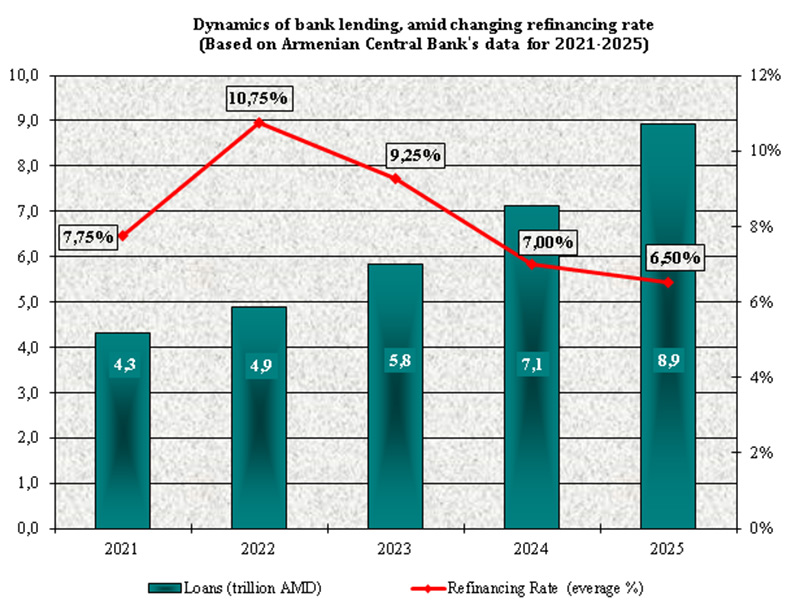
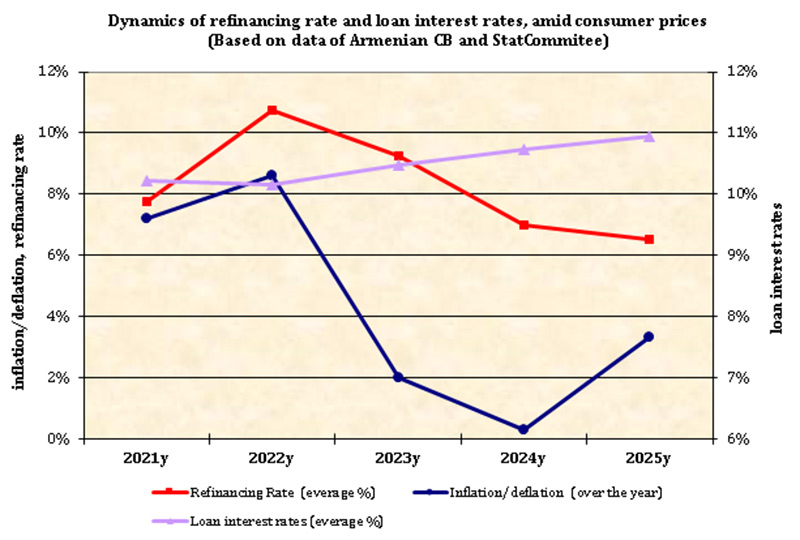
There is also a serious uncertainty about the timing of final overcoming the coronacrisis, it is not yet clear how long the inflationary impact will last, in particular on commodity markets, and how quickly the world economy and the domestic economy of Armenia will recover. These factors restraining the rapid economic recovery were mentioned by the Chairman of the Central Bank of the Republic of Armenia Martin Galstyan on August 3 during a press conference, timed to the next increase in the refinancing rate by 0.5 percentage points - up to 7%.
At the same time, he noted: "Just like our external partners, we believe that the post-election processes, in other words, a certain stability, had a positive effect on the Armenian economy. But the above uncertainties still persist and their impact restrains the rapid economic recovery.
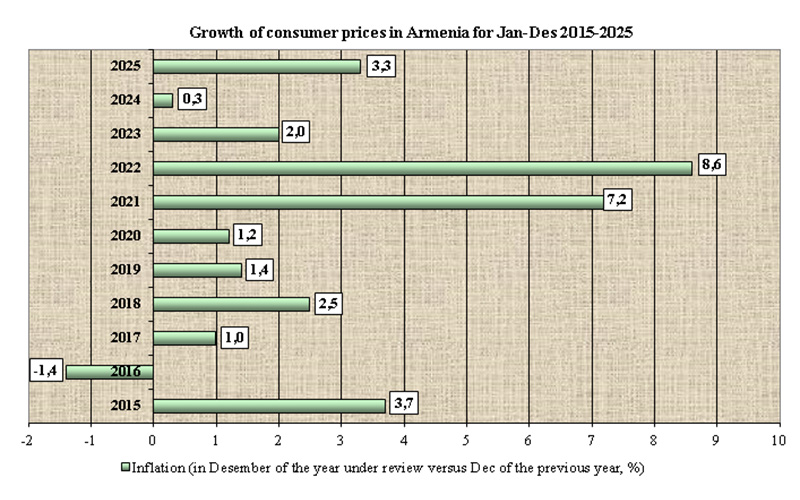
When asked by ArmInfo regarding the impact of the increase in the refinancing rate on prices, M. Galstyan explained that this has a certain effect on prices in the context of one lag, the time period of which exceeds a six-month period. "That is, today's actions of the Central Bank (raising the refinancing rate) are aimed, firstly, at some containment of inflationary expectations, and secondly, we will see the impact of these steps after two or three quarters. As you remember, already in December 2020, when inflation was 1.4% , the Central Bank began to raise the refinancing rate, then already estimating that in 2021 inflation will exceed the target threshold (4%), i.e. the increase in the refinancing rate at that time was aimed at curbing the upward inflationary expectations assumed in 2021.
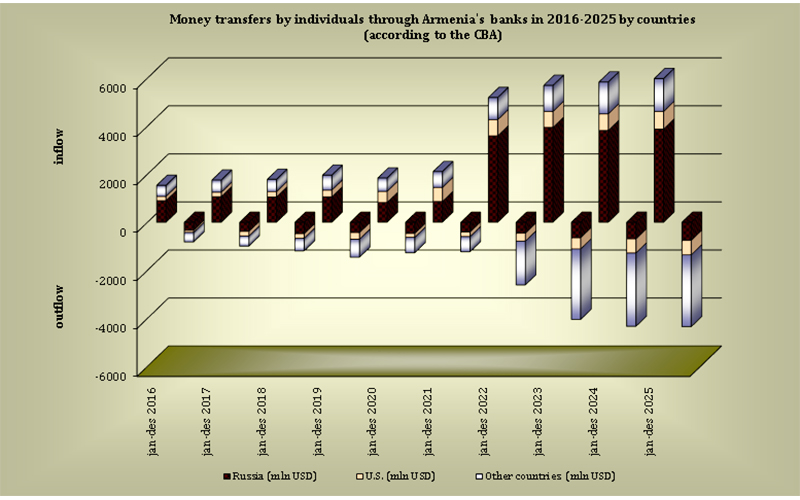
To another question from ArmInfo about a possible change in the forecast growth of remittances, M. Galstyan replied: "The Central Bank does not exclude an increase in the forecast range of growth in net inflow of remittances with the next update of forecasts for 2021 (from the currently projected 15-18%). The high growth in the net inflow of transfers from the USA will continue this year, in parallel with which the growth in the inflow of remittances from Russia will recover, the trends of which are already visible at the end of the first half of this year. And already from 2022, the growth rate of the inflow of remittances from the United States will begin to slow down from high to moderate.
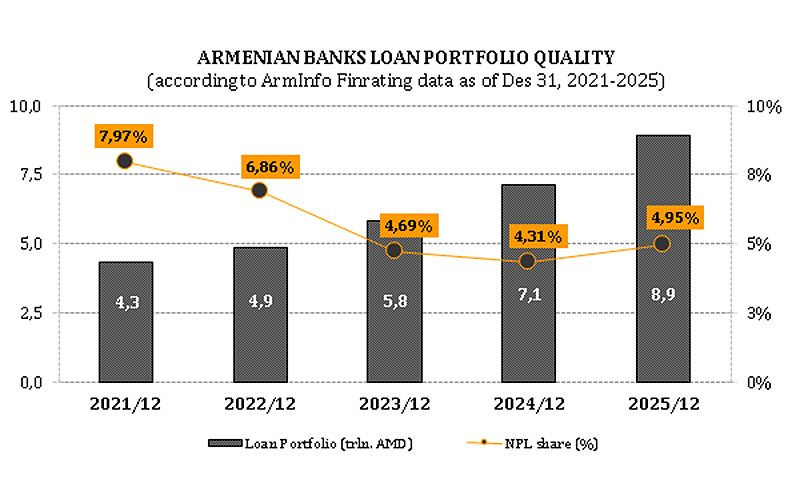
Regarding the duration of the state assistance programs, M. Galstyan, stressing their beneficial effect on the economy, at the same time suggested that if they continue, the volume will no longer be as significant as in the covid period, i.e. instead of the previous 160 billion drams, a smaller volume will be used, and naturally the impact from this will be weaker. Answering ArmInfo's question about the likelihood of extending the regulatory "concession" for freezing a part of the portfolio of non-performing loans for another year, M. Galstyan said: "We see that there is a sharp slowdown in growth for certain types of loans. But, having applied this indulgence since December 2020, the Central Bank at the same time discussed with banks the possibility of achieving a certain indicator, for which it was necessary to periodically write off toxic loans from the balance sheet. This process continues in the current year, which explains the stagnation of profits and the course of other processes. I will say that the Central Bank has no disagreements with banks on the issue of correctly reflecting the real situation in the banking system of Armenia. I do not think that in the near future the Central Bank will relax - this is an unlikely scenario. The main goal of this approach is to return to the pre- covid development indicators. "-l-