

ArmInfo.The IMF Executive Board completed the first review under the Stand-By Arrangement (SBA) with Armenia, providing the country with access to about US$24.5 million.
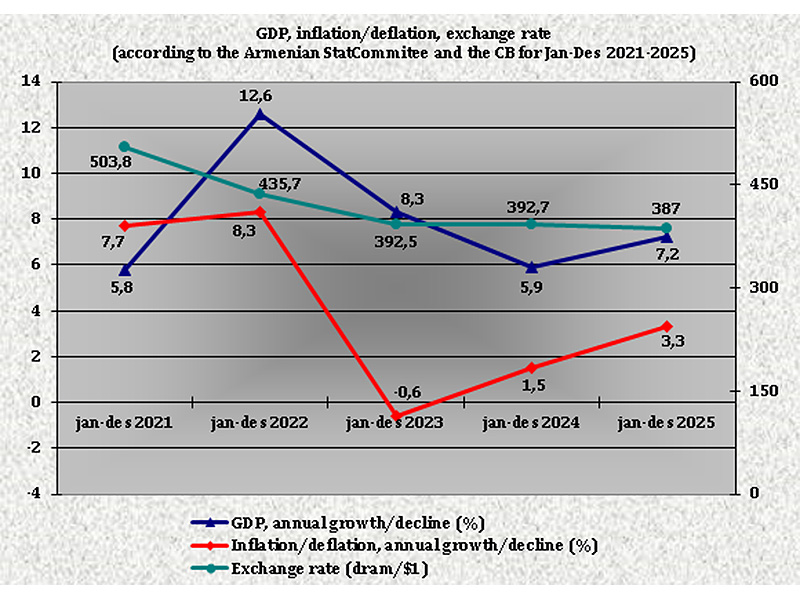
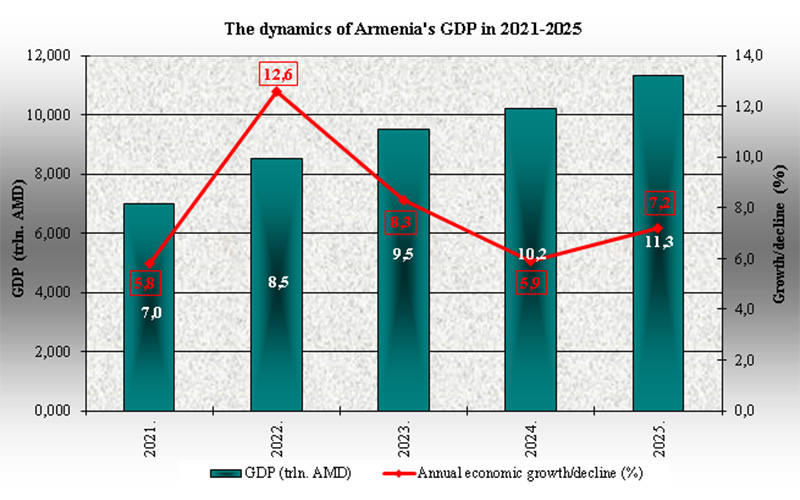
Armenia's economic activity was very strong in 2022, with real GDP growing at 12.6 percent, driven by robust consumption and external demand. Growth is projected to be at 5.5 percent in 2023.
The SBA, which the Armenian authorities are treating as precautionary, aims to ensure policy continuity, advance structural reforms, and maintain macroeconomic, financial, and fiscal stability.
The Executive Board of the International Monetary Fund (IMF) completed the first review under the Stand-By Arrangement (SBA) with Armenia. The completion of the review enables access of SDR 18.4 million (about US$24.5 million), bringing total access to SDR 36.8 million (about US$49 million). The SBA was approved by the IMF's Board on December 12, 2022 (see Press Release No. 22/429 ). The Armenian authorities continue to treat the arrangement as precautionary. The Executive Board's decision on the first review was taken without a meeting.
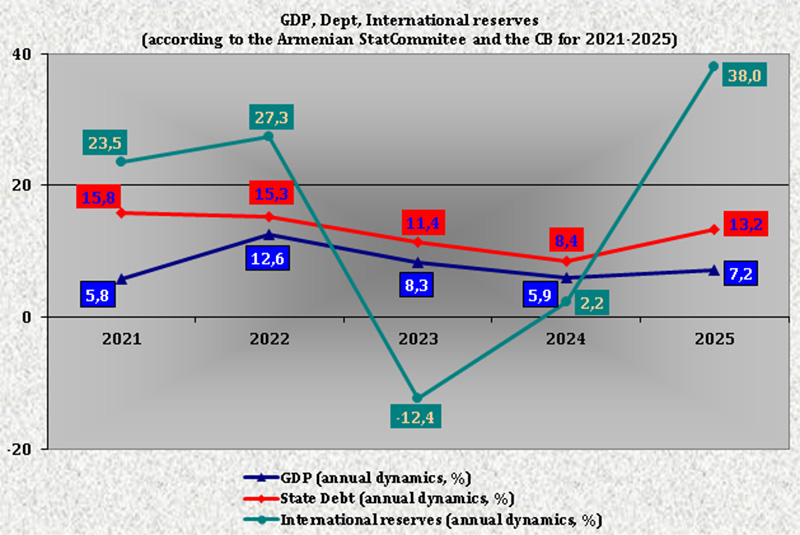
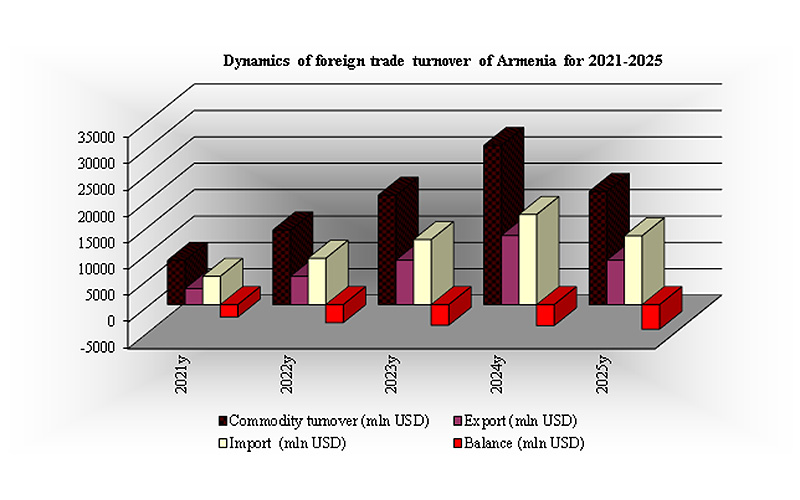
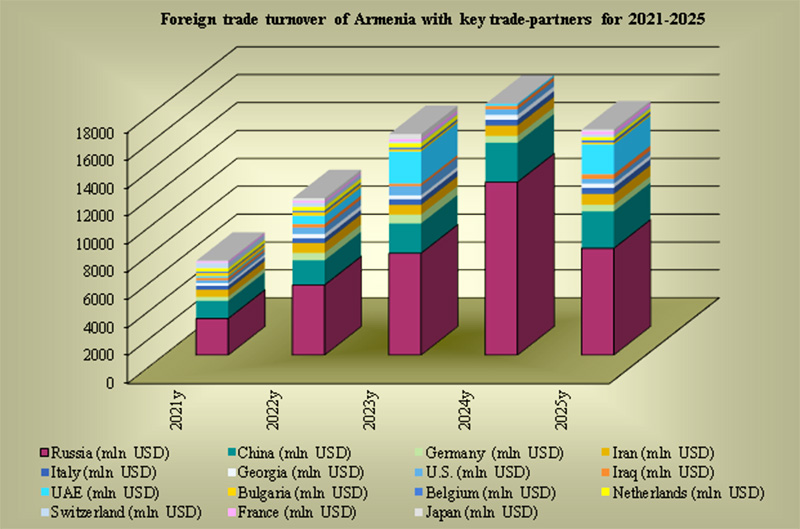
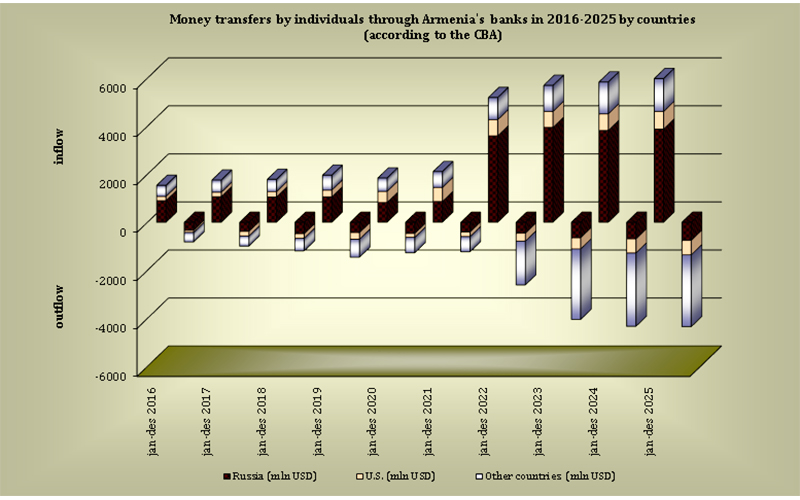
Armenia's economic activity was very strong in 2022, with real GDP growing at 12.6 percent, driven by robust consumption and external demand, and fueled by large foreign exchange and migrant inflows from Russia. The growth momentum has continued in 2023Q1, led by expansion in construction, service, and trade-related sectors. The current account deficit plummeted to 0.9 percent of GDP for the year, benefiting from strong tourism income and remittances. Foreign direct investment and other investment inflows also increased, reflecting primarily capital inflows from Russia. Gross reserves increased to US$4.1 bn. The dram appreciated by over 20 percent against the US dollar in 2022.
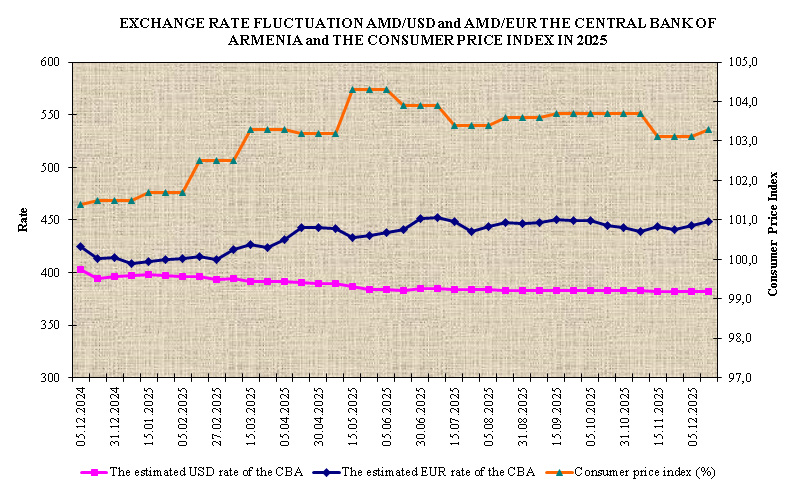
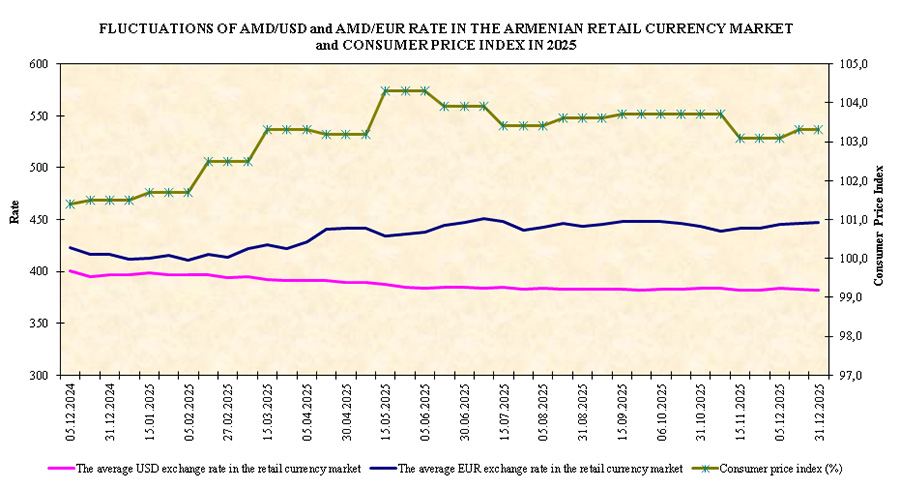
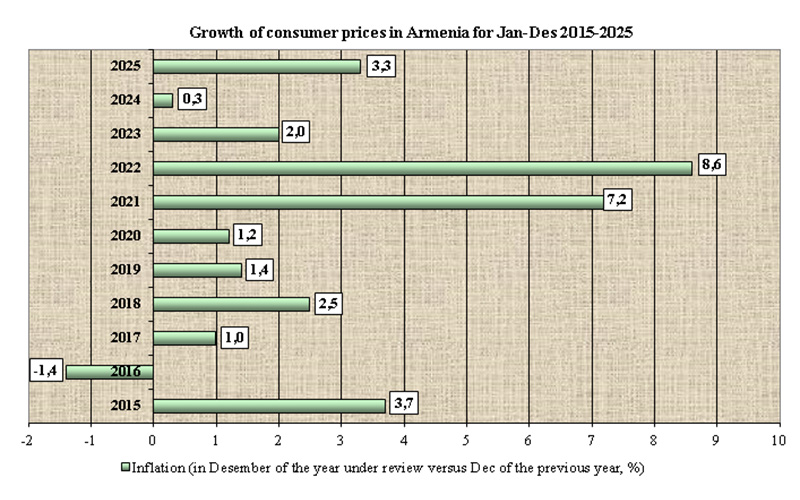
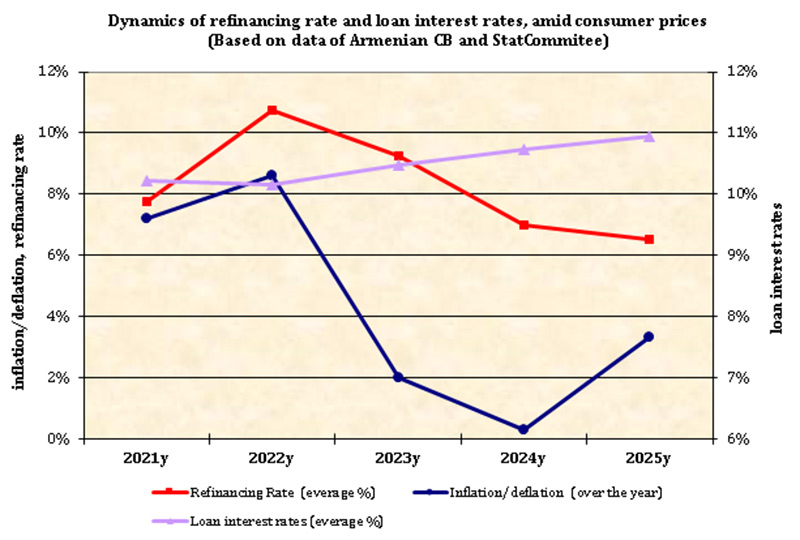
Inflationary pressures started to ease in late 2022-early 2023. Headline inflation declined to 3.2 percent (y- o-y) in April 2023, mainly on account of base effects and rapidly easing food and transportation prices. But core inflation remains above headline at 4.3 percent (y-o-y) in April 2023. Double-digit nominal wage growth and service price growth are sources of significant underlying inflationary pressures.
The fiscal position improved significantly in 2022. The headline fiscal deficit narrowed to 2.1 percent of GDP in 2022 on account of robust revenues and spending under-execution. Central government debt dropped by 14 percentage points of GDP to 46.7 percent of GDP, due to deficit reduction, high nominal growth, and exchange rate appreciation.
The program is broadly on track. All end-December quantitative performance criteria (QPCs) and indicative targets (IT) were met, and good progress was made toward the completion of structural benchmarks (SB). The end-March structural benchmark requiring the adoption of a decree clarifying the mandate, reporting, transparency, and viability requirements for the Armenian National Interests Fund (ANIF) was completed as a prior action for the review.
The economic outlook for 2023 is generally positive, although risks remain substantial. GDP growth is projected to decelerate but strong momentum, consumption and investment are expected to keep it at 5.5 percent in 2023. With services trade and remittances normalizing, the current account deficit is expected to widen in 2023. Inflation is expected to stabilize at the CBA's target of 4 percent within a year. The outlook is subject to elevated risks stemming from a challenging external environment, including regional tensions, tighter global financial conditions, and a slowdown in major trading partners.
Macroeconomic policies need to prevent overheating of the economy in the short term, while supporting inclusive and resilient growth in the medium term. To elaborate:
Should growth and revenues be stronger than projected, building fiscal buffers is a priority. At the same time, revenue mobilization efforts should continue, including by broadening the tax base and tackling informality.
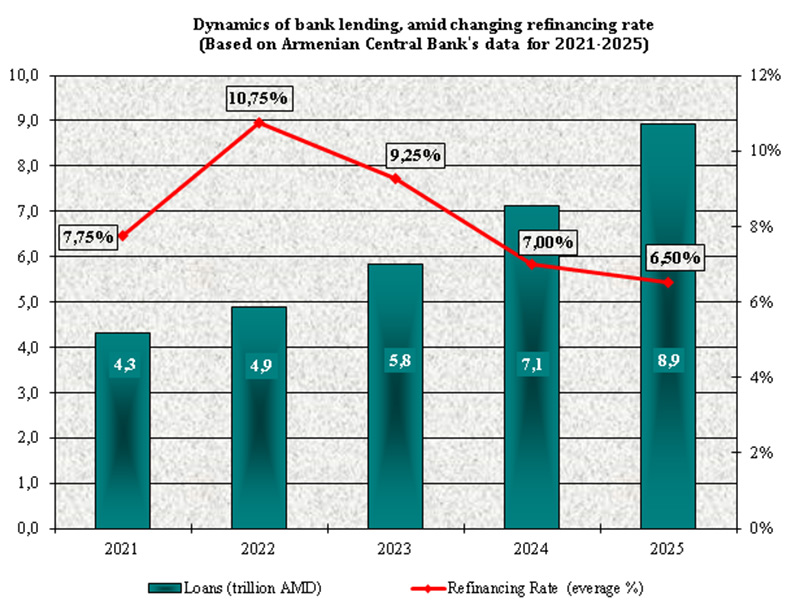
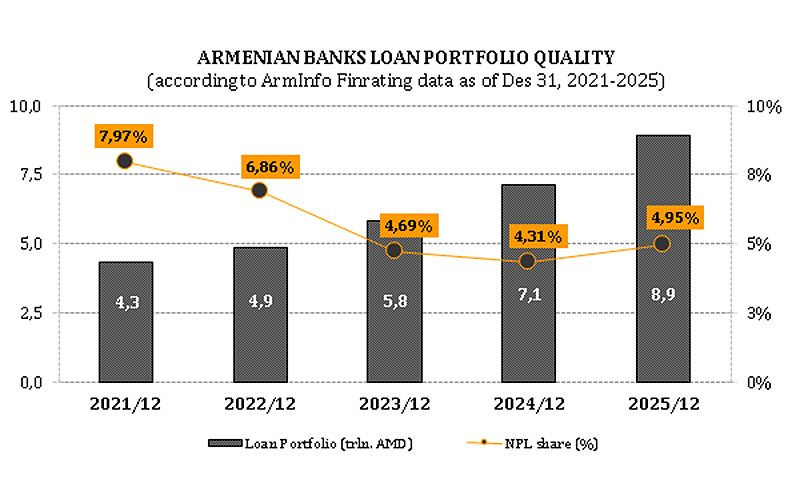
Decisive and pro-active monetary policy tightening has been successful in containing inflationary pressures, but monetary policy needs to remain vigilant and data dependent. Financial sector risks related to the real estate sector require close monitoring by strengthening supervisory tools.
To unlock Armenia's long-term growth potential, continued progress with implementation of structural reforms is needed, including by boosting trade links and diversification, enhancing access to finance, completing governance reforms, and improving climate change resilience.
In its June forecast, the World Bank revised its GDP growth forecast upward for Armenia for 2023 - 4.1% up to 4.4%. It expects an accelerating growth up to 4.8-5 percent in 2024-2025.
This May, EBRD revised its GDP growth forecast for Armenia for 2023 upward, 4% to 5%.
In its May forecast, Armenia's Central Bank (CBA) reaffirmed its March forecast revised upward from 4.9% up to 5.8% (against the actual 12.6% growth in 2022). For 2024 and 2025, the CBA revised its forecasts downward - 5.2% and 4.9% respectively.