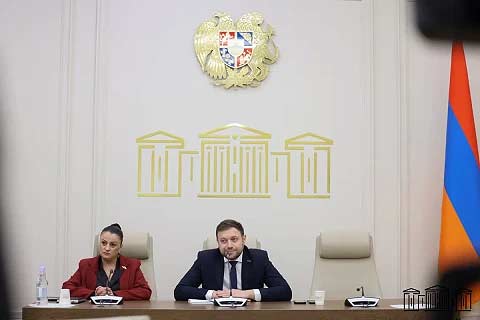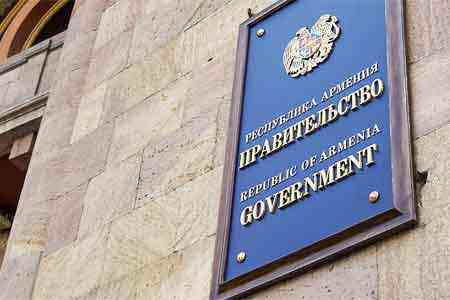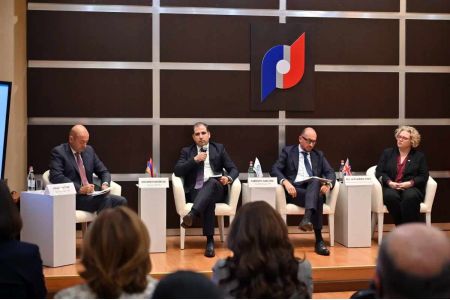


ArmInfo. The issue of alienation of property that had public status back in Soviet times will be regulated in Armenia. The country's parliament, at a plenary session on March 5, introduced amendments to the Civil Code in the second and final reading.
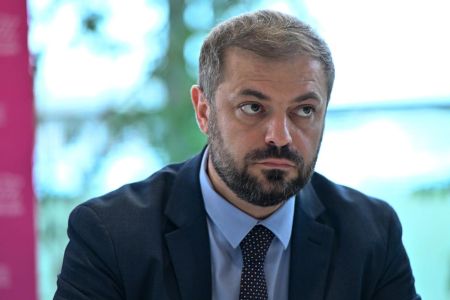
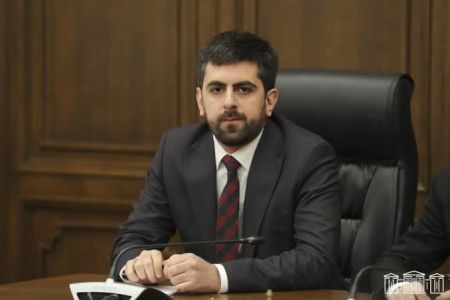
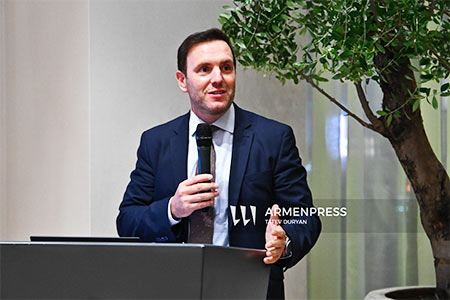
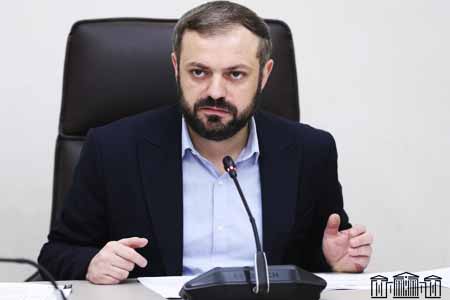
According to the author of the legislative initiative, Sisak Gabrielyan, a member of the National Assembly of the Republic of Armenia from the ruling "Civil Contract" faction, a law was adopted back in 1991, according to which the property of all public organizations, including creative unions, was recognized as state property. However, after gaining independence, as a result of gaps in the legislation, a number of objects that had public status (stadiums, cultural facilities and other state buildings) became the property of legal entities. Thus, about 80% of the above-mentioned objects were privatized. In their place, either new buildings were erected, or they simply remained idle.
"We are talking about 27 thousand real estate objects that became the property of "non-governmental organizations". De facto, their real owners were either high-ranking officials or members of their families," Gabrielyan said.
According to the amendments, in each specific case, written requests will be sent to the Prosecutor General's Office. Based on the results of the investigation, the property will be returned to those legal entities that are directly related to it. As for buildings and structures that have not yet been privatized, their alienation must be with the consent of 2/3 of the members of the highest governing body of the legal entity.
The presented bill, according to the assurance of the deputy from the ruling party, is not aimed at depriving anyone of the right to property. Its main goal is to ensure that cultural and sports facilities serve their intended purpose. For example, the building of the Union of Artists should serve artists.