

ArmInfo. The peace framework agreement between Armenia (BB-/Stable) and Azerbaijan (BBB-/Stable) is a positive step towards a comprehensive deal and reduces the risk of renewed hostilities, although obstacles remain, Fitch Ratings says. Achieving a peace agreement is unlikely to immediately affect either country's ratings, but could support positive medium-term credit trends, notably via expanded trade that may boost growth, although this is difficult to quantify.
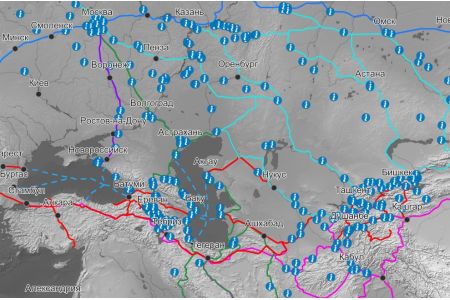
The joint declaration, mediated by the US and signed in Washington on 8 August, commits both countries to adopt Soviet-era borders, renounce the use of armed force, and envisages "unimpeded connectivity" between Azerbaijan and its exclave of Nakhchivan through Armenian territory. Ending third-party observer involvement (through the OSCE) will meet a long-standing Azerbaijan demand.
The declaration aligns with our expectation that a return to military conflict is unlikely, but this remains a preliminary framework with no agreed timelines for building the transit corridor or signing a binding treaty. Tangible benefits to economic growth, government revenues and trade will take a few years at least to materialise.
Fitch understands that Armenia is unlikely to cede sovereignty over the corridor - known as the "Trump Route for International Peace and Prosperity" (TRIPP) - that will be built and likely operated by US companies. A referendum to amend Armenia's Constitution to remove reference to the Karabakh region (captured by Azerbaijan in 2023) - another Azerbaijani demand - is politically difficult and unlikely before mid-2026 parliamentary elections.
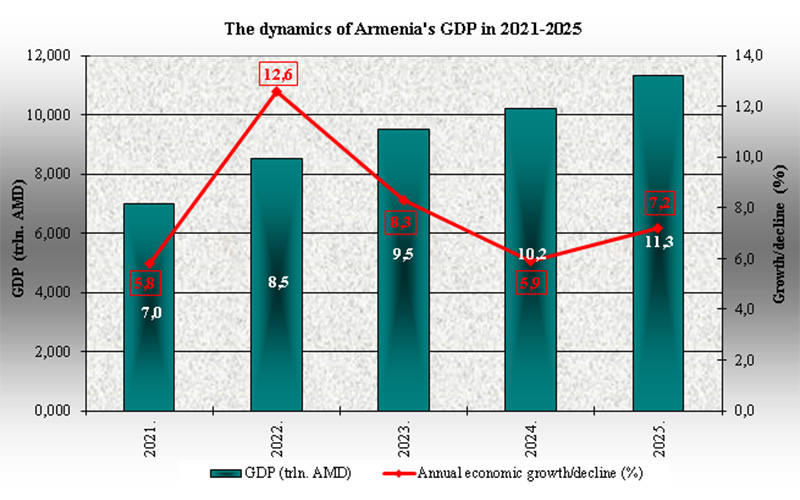
A sustained reduction in geopolitical risks could boost Armenia's growth, and reduce FX volatility and fiscal risks through lower defence spending in the medium term. For Azerbaijan, reduced tensions could foster greater focus on domestic reforms, such as economic diversification and strengthening governance, although momentum appears limited.
For Armenia, durable geopolitical risk reduction and normalisation of relations with Turkiye depend on the final peace terms and deal implementation. Armenia performs broadly in line with the 'BB' median on the World Bank Worldwide Governance Indicators (WBGI), although it ranks less than half the peer median in 'Political Stability and Absence of Violence'. A sustained improvement is likely to take time.
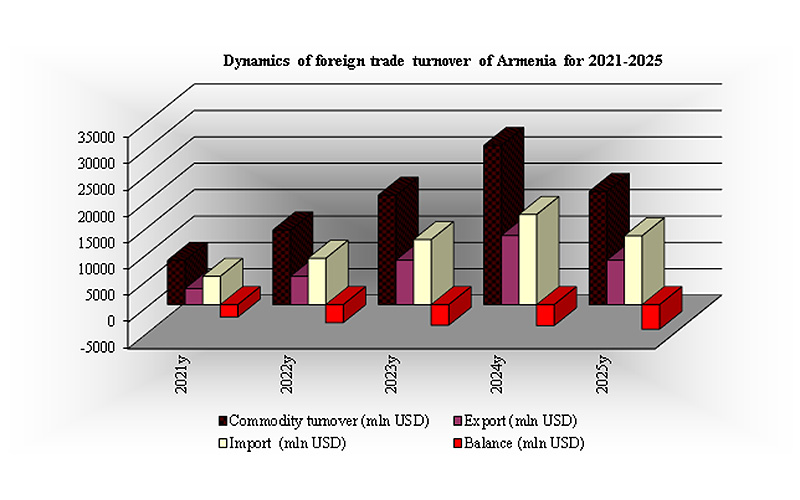
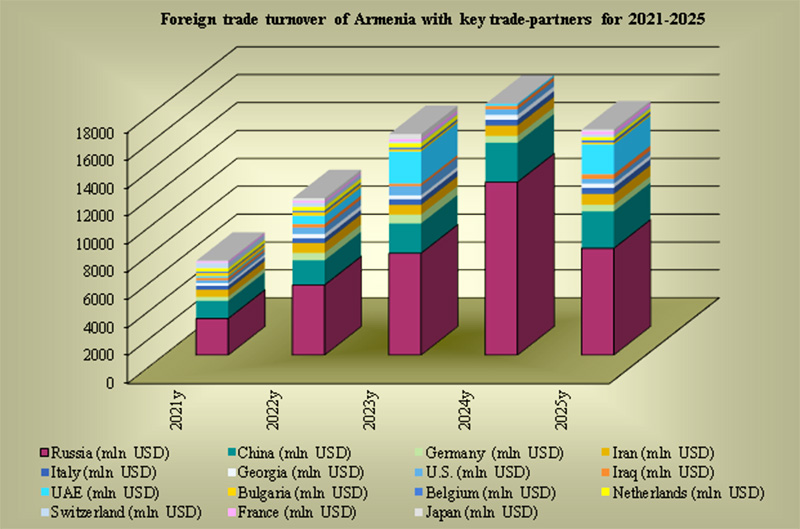
Most of landlocked Armenia's trade is through Georgia, so faster alternative routes to European markets - notably through Turkiye - would support Armenia's medium-term economic growth prospects. Fitch does not include these factors in its current macroeconomic forecasts, given high uncertainty and obstacles to be negotiated as part of a peace process.
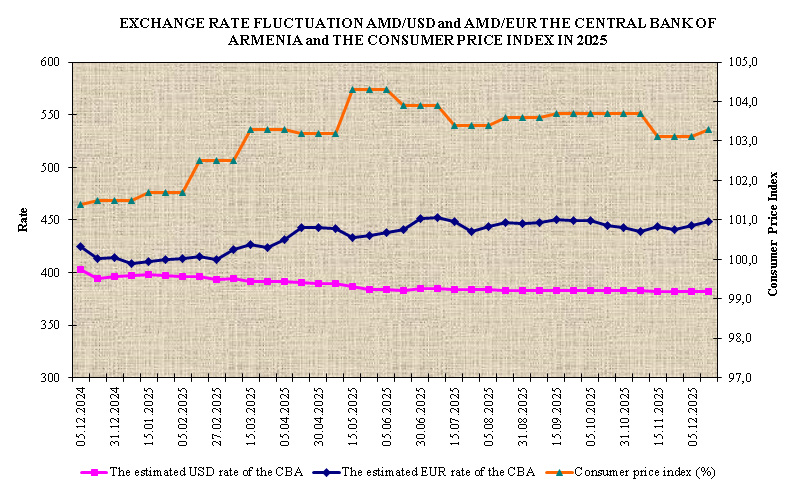
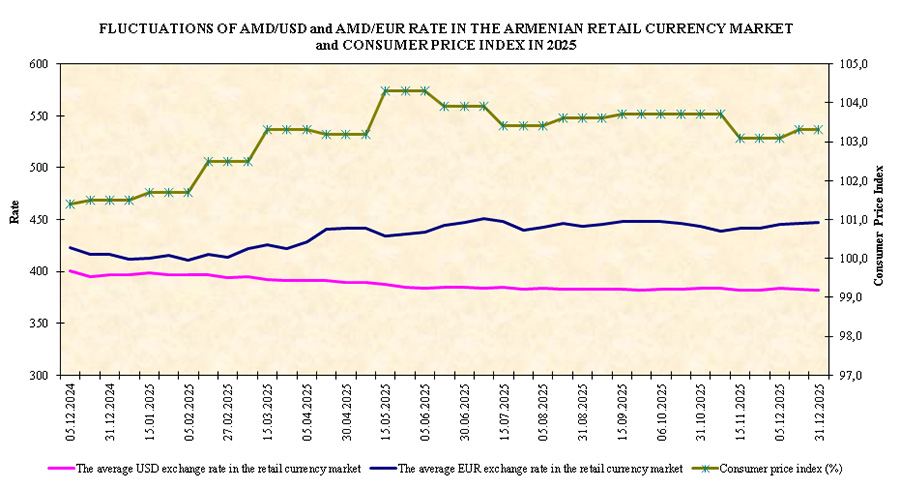
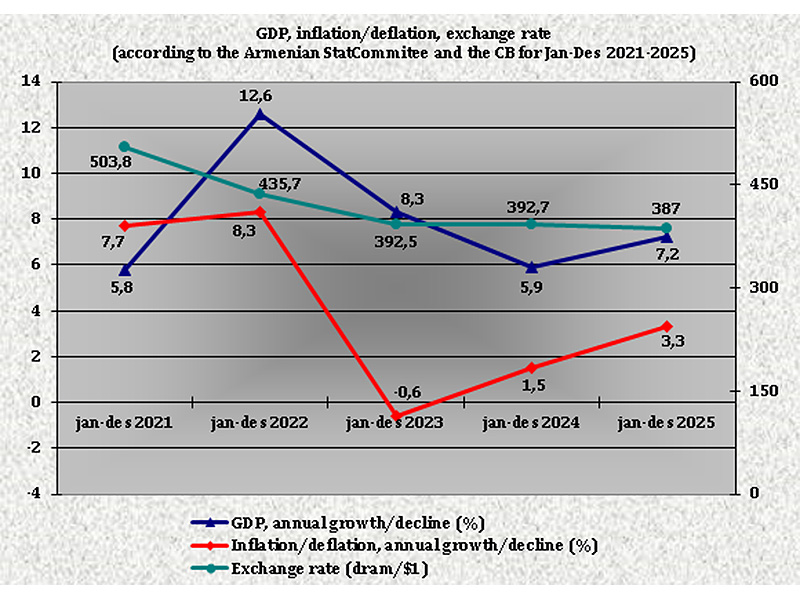
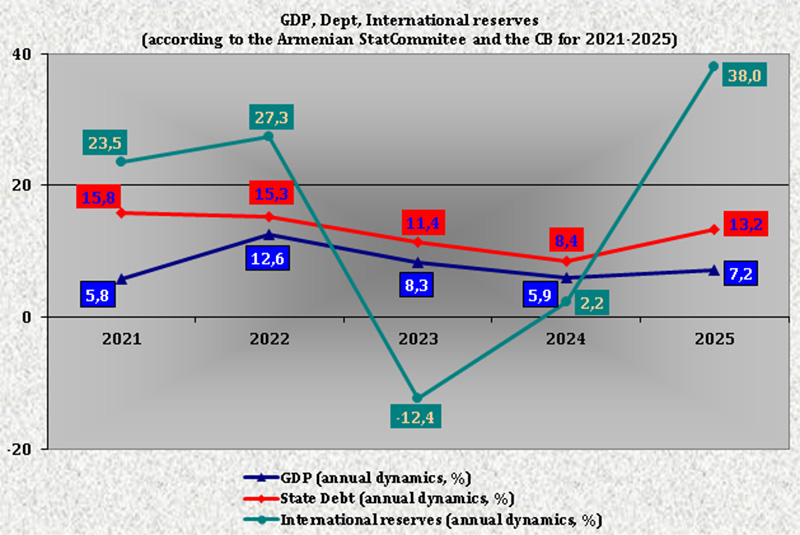
A lasting peace to end the three-decade conflict could also reduce Armenia's exchange- rate and fiscal risks. In recent years, the dram has depreciated when tensions have risen (although, it strengthened by 17.4% in nominal terms against the US dollar in 2022- 2024). Such depreciation, if prolonged, could have a negative impact on Armenia's key credit metrics, including government debt given the large share of foreign-currency debt.
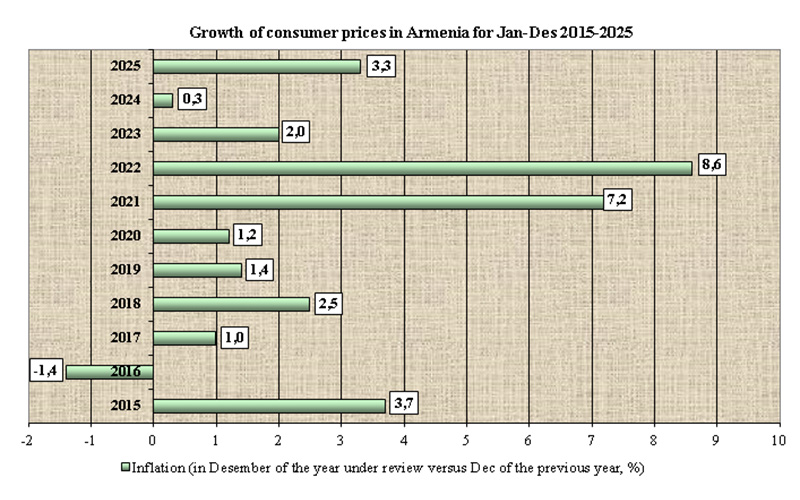
Given the large fiscal deficits projected (averaging 4.4% of GDP in 2026-2027), a peace deal could ease budget pressures from defence spending, which is set to increase by 0.7pp to 6.1% of GDP in 2025. However, this has been partly offset by robust revenue aided by fairly strong economic growth and higher inflation.
Azerbaijan's potential rating upside from a peace deal is lower. Its strong fiscal and external balance sheet, and financing flexibility from expansive sovereign assets continue to underpin its investment-grade rating.
Reduced tensions with its neighbour, after achieving the national goal of bringing Karabakh back under Azerbaijani control, could enable the authorities to focus on improving the business environment to support non-oil economic growth and boost diversification. This could include measures that support better governance - a weakness in Azerbaijan's credit profile - although the extent of political backing for reforms is not clear at this stage.