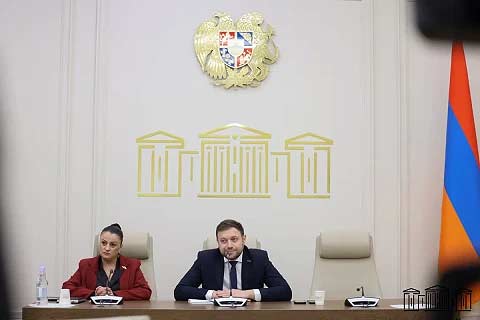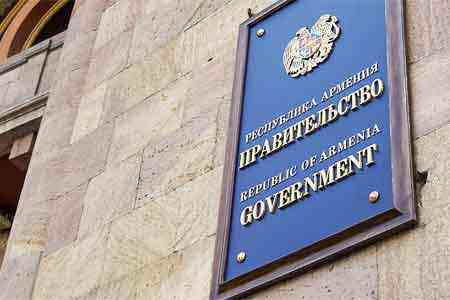


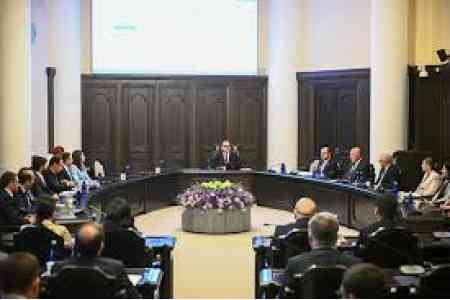
ArmInfo. The Armenian government approved the "Doctrine of Economic and Institutional Transformation of Armenia" at its January 8 meeting. Prime Minister Nikol Pashinyan himself presented the document.
"Overall, this is essentially a guideline, as well as a statement of our intentions," the head of the cabinet said. "This document is about where we are now and where we want to go next," he added.
According to him, the 42-page document is built on a new paradigm of economic development that reflects the ideological foundations of "Real Armenia" and transforms the role of the state in the economy, placing the individual at the center of the system according to the formula "the state must strengthen the individual, and the individual must strengthen the state."
In this context, Pashinyan recalled that he has repeatedly stated that "an RA citizen, if he disagrees with the policies pursued by the authorities, can stage a revolution at any time," once again emphasizing "the decisive role of the citizen in governing the country." "Initially, it consisted of over 100 pages. However, we must take strategic documents seriously, meaning they must be compiled as concisely as possible, as time is the most precious resource.
A document that can be 10 pages long should not be 11 pages long. A strategy that can be 15 pages long should not be 16 pages long. A one-page briefing should not be one and a half pages long; a three-word sentence should not be six words long," Prime Minister Pashinyan clarified.
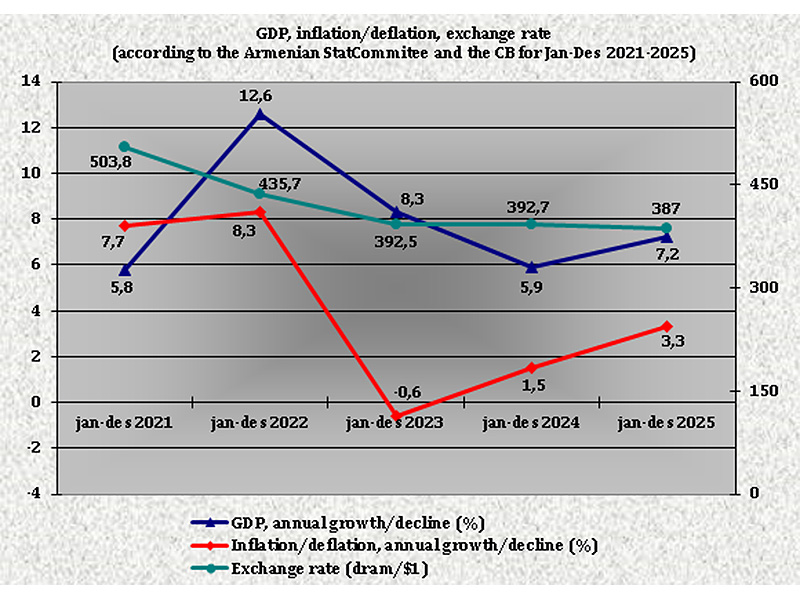
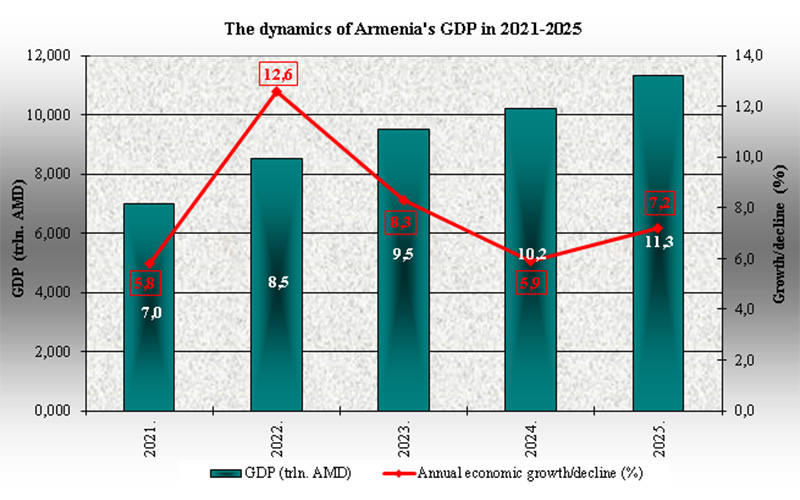
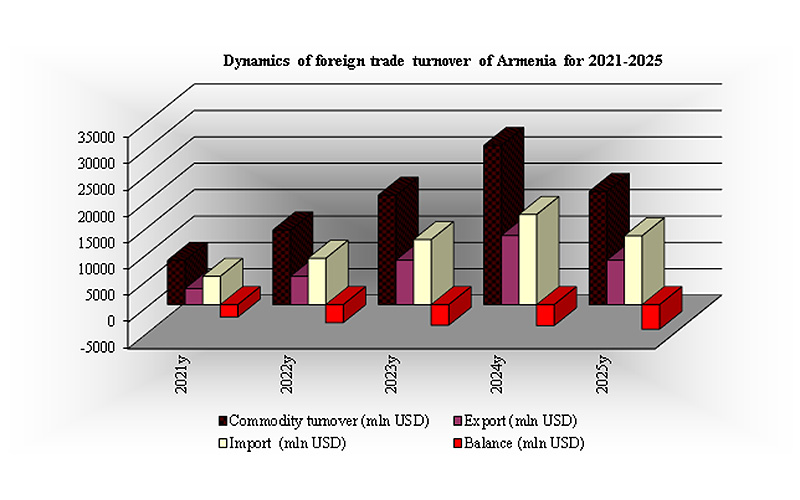
As the head of government noted, preliminary estimates indicate that Armenia's economy demonstrated real growth of over 50% between 2018 and 2025. This is one of the fastest growth periods recorded since the country's independence. At the same time, GDP per capita more than doubled, reaching $9,433 in 2025 (according to preliminary estimates), securing Armenia's new status as an upper-middle-income country. At the same time, this rapid growth has exposed structural vulnerabilities in the economy and questions about its long-term sustainability.
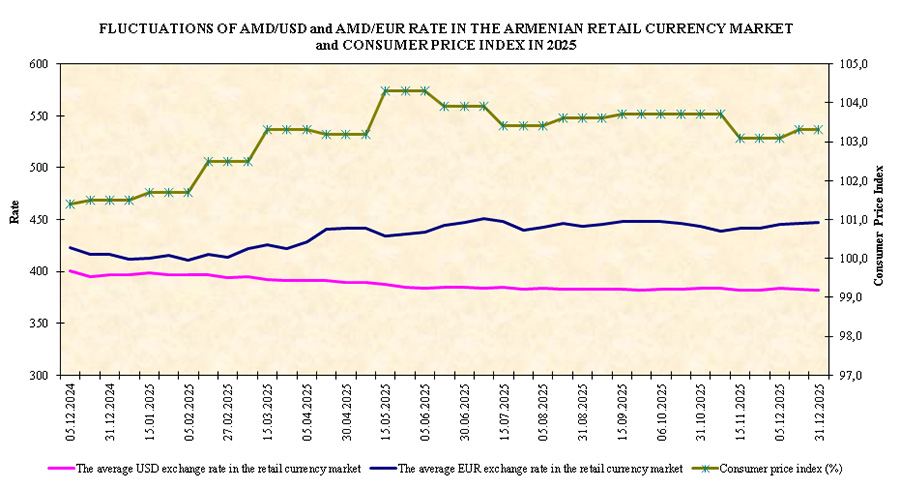
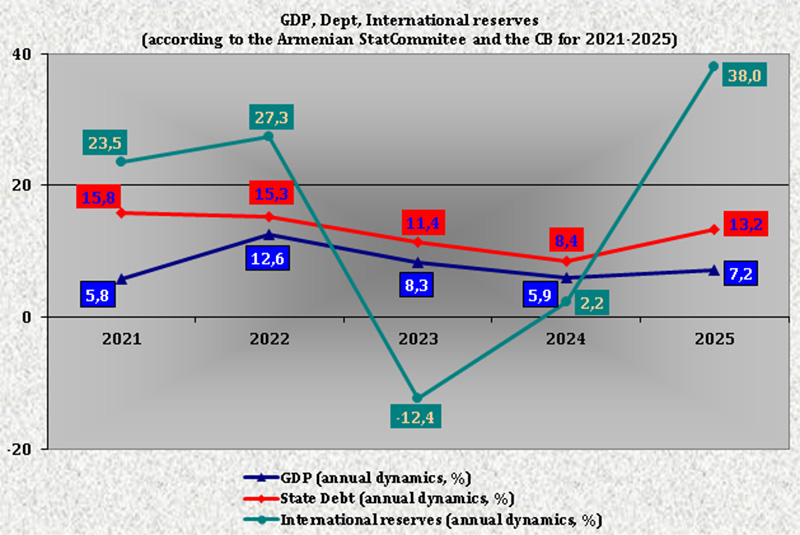
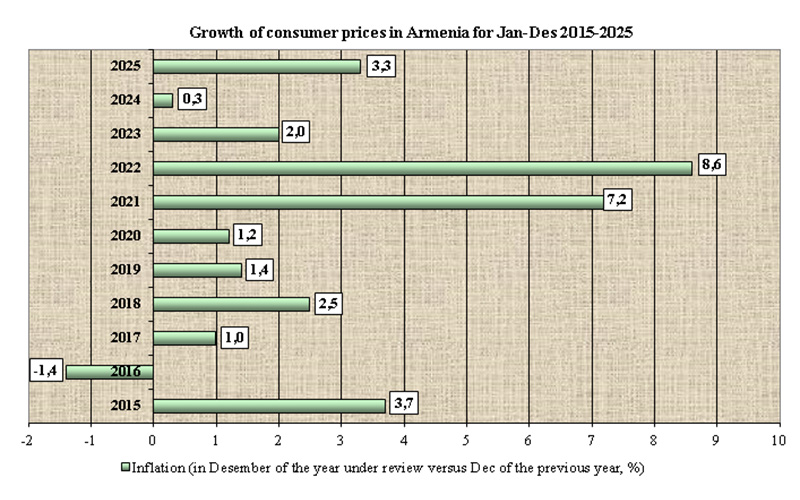
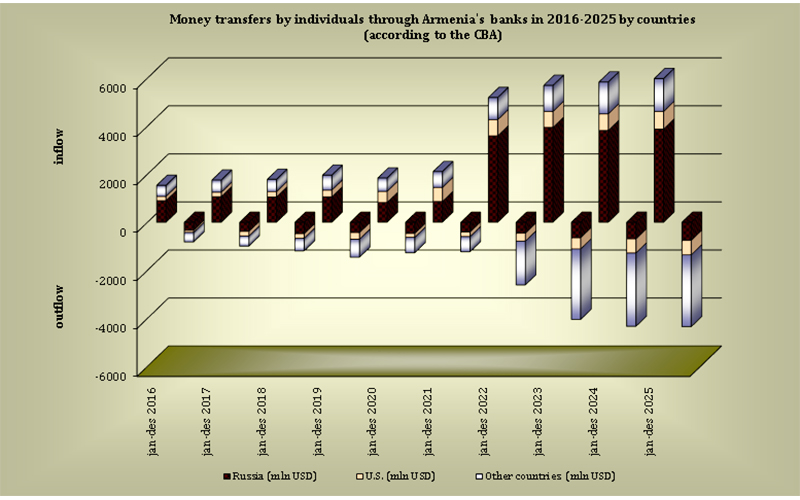
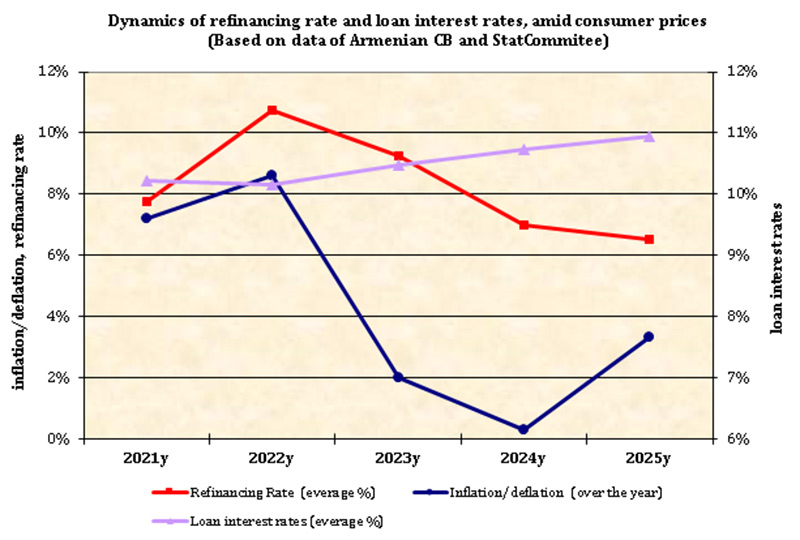
However, Armenia's economic performance in recent years has been largely driven by demand-led growth. This was due to significant capital inflows, increased consumer consumption, and sustained income growth. Thus, GDP grew by an average of 8.9% per year between 2022 and 2024. Over the same period, the Armenian dram appreciated by approximately 20%, driven by strong external demand, an influx of financial resources, and a highly productive workforce, which largely absorbed inflationary pressures. While these demand-driven factors contributed to economic growth, their long-term sustainability remains uncertain. Since this growth is largely driven by external demand and temporary capital inflows, rather than productivity factors, it is clearly subject to gradual adjustment. Therefore, economic policy should aim to ensure a proportionate adjustment and a "soft landing." Additional risks could arise if capital inflows decline or immigration reverses, leading to an economic slowdown.
As stated in the explanatory note to the document, the Republic of Armenia has been undergoing economic, institutional, and security-related transformations in recent years. Rapid, but demand-driven, economic growth, external shocks, demographic challenges, rapid technological change, and existing institutional challenges require a unified, systemic, and long-term approach to economic and public management.
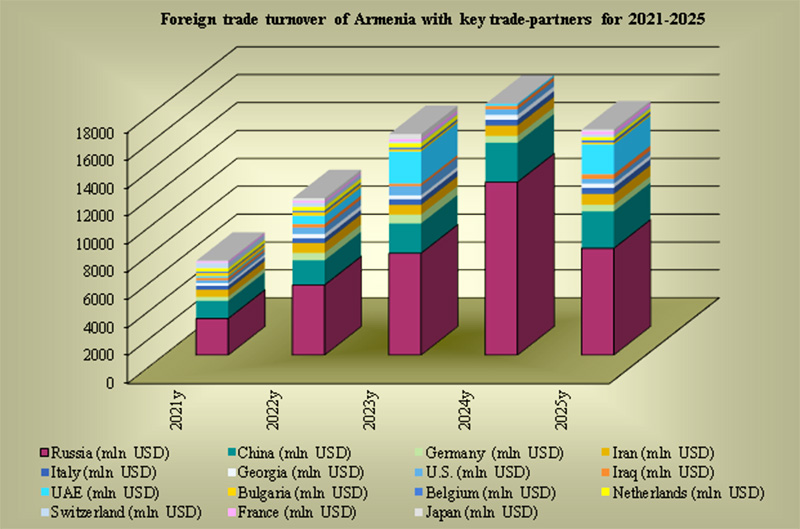
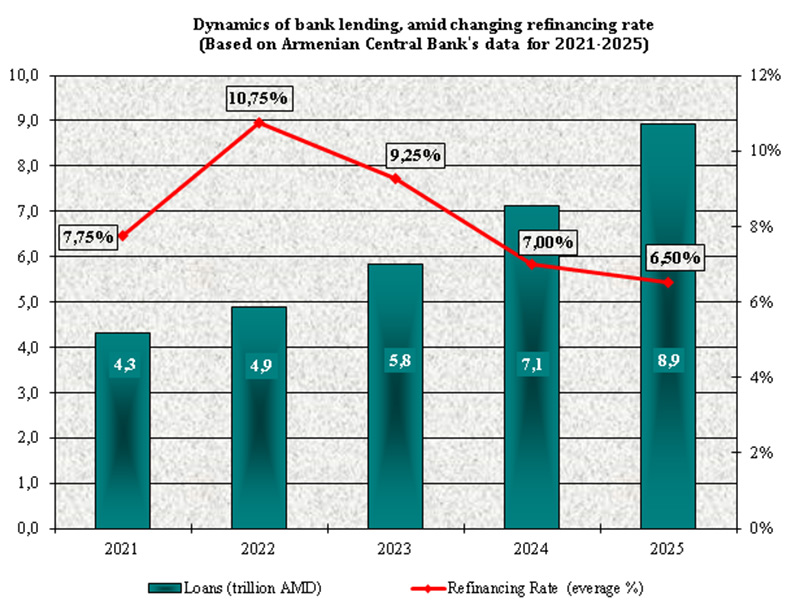
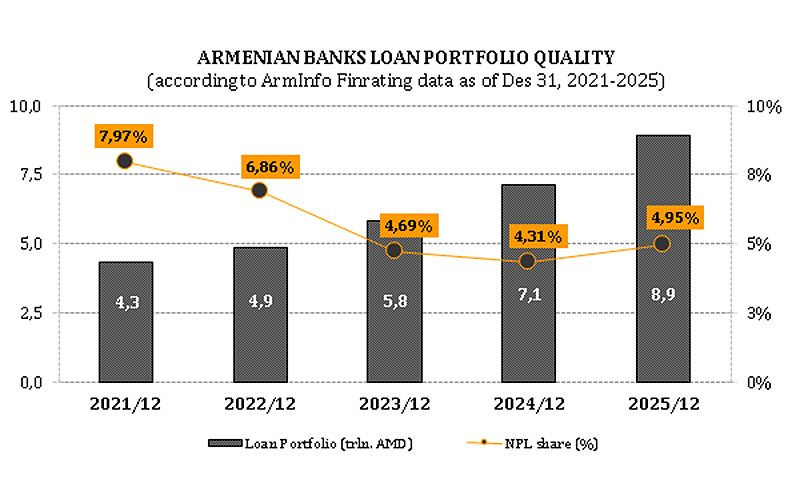
It is noted that Armenia's economic dynamics in recent years have been shaped by both domestic reforms and rapidly changing external factors, which have accelerated growth while simultaneously creating new structural challenges. Progress toward increasing deep productivity, economic diversification, and developing value chains requires a more systemic approach, as the export structure remains heavily concentrated in limited sectors, and the financial system relies primarily on bank lending, with an underdeveloped capital market and limited participation by institutional investors.
"Current economic and institutional policies are implemented based on a number of separate documents, strategies, and programs that are not fully integrated into a unified ideological framework. Under these circumstances, it is necessary to adopt a unified ideological and political-strategic document that will affirm the long-term vision for the economic and institutional transformation of the Republic of Armenia, define the core principles and pillars of a new economic policy paradigm, and provide a unified basis for medium- term budget planning for existing and newly developed sectoral strategies and programs," the document states.
The draft resolution of the Government of the Republic of Armenia "On Approving the Doctrine of Economic and Institutional Transformation of Armenia" proposes to lay the ideological foundations for a new economic paradigm, "Real Armenia," which enshrines the role of the state as a people-centered system that simultaneously serves security, sustainability, and institutional strengthening.
The adoption of this legislative act, as noted, presupposes the elimination of fragmentation in economic and institutional policy, the enshrinement of long-term, forward-looking, and clear principles, and the creation of a unified structural system of programs and subprograms, thereby ensuring a forward-looking, systemic, and predictable nature of public policy.
As a result of the adoption of the draft and the implementation of its provisions, it is expected that: - Economic policy will become forward-looking and systemic; - Policy predictability and confidence in the investment climate will increase; - A unified system of programs and subprograms will be formed; - The effectiveness and accountability of public administration will be strengthened; - Armenia's economic resilience and security stability will be enhanced.