

ArmInfoIn 2025, the European Bank for Reconstruction and Development (EBRD) invested a record 426 million euros in Armenia's economy across 26 projects. Of these investments, 85% were directed to the private sector, with the aim of fostering entrepreneurship and sustainable growth, according to the Bank's press service.
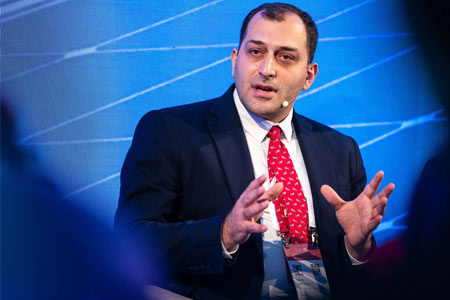
George Akhalkatsi, EBRD Head of Armenia, said: "The year 2025 marked the beginning of a new strategic chapter in our partnership with Armenia. With the launch of the new country strategy and record operational delivery, we reaffirmed our strong commitment to supporting Armenia's economy. We expanded our support for the private sector while creating new opportunities for young people, women and refugees. These initiatives have played a vital role in strengthening Armenia's economy, reinforcing its financial system and capital markets, advancing green projects, improving infrastructure, fostering refugee integration and, ultimately, enhancing the quality of life for all citizens."
The EBRD maintained its support for small and medium-sized enterprises (SMEs), providing a record 322 million euros in credit lines to 10 partner financial institutions for on lending to businesses. These funds are designed to boost competitiveness, energy efficiency, resilience and inclusion, while also supporting refugee led enterprises. The credit lines were complemented by grants from donor partners such as the EU (EU), the Green Climate Fund (GCF) and the Climate Investment Fund (CIF).
The Bank launched the Refugee Response Window Armenia, implemented jointly with the EU, extending 44 million euros in targeted lending and 10.7 million euros in incentive grants to refugee led businesses. This initiative promotes social cohesion and economic integration, ensuring refugees can contribute to and benefit from Armenia's growth.
To sustain vital trade flows, the EBRD supported nearly 70 million euros in trade finance transactions through eight local partner banks under its Trade Facilitation Programme. The Bank also committed 30 million euros to the development of the Yerevan Customs and Logistics Centre, modernising Armenia's customs system and reinforcing economic links. The centre will directly address air pollution challenges in Yerevan by diverting heavy truck traffic away from the capital. It is expected to become one of Armenia's first public buildings to achieve LEED green certification, setting a benchmark for sustainable construction. By digitalising customs training, the project will also expand skills and employment opportunities nationwide, including for refugees. Last year also saw the launch of a landmark programme: 38 million euros in targeted financing through a local bank to expand access to finance for youth led enterprises across the country.
Alongside financing, the EBRD delivered 65 advisory projects for local SMEs. More than 1,000 participants benefited from webinars, financial literacy training and conferences. Key focus areas included entrepreneurial skills development, support for women entrepreneurs, business infrastructure improvements and refugee integration - demonstrating a comprehensive approach to SME growth.
Complementing its investments, the EBRD continued to engage in policy dialogue. With support from the Japanese government, the Bank worked with the Central Bank of Armenia to introduce master documentation for derivatives and repurchase transactions under Armenian law. This reform strengthens confidence among domestic market participants, particularly in the derivatives and repo segments. The Bank, with the EU's support, launched the Capital Market Support Programme, designed to deepen Armenia's financial markets, broaden investment opportunities and enhance the resilience of the country's economic system.
The Investment Council of Armenia, funded by the UK government's Good Governance Fund and supported by the EBRD, continued to work with the Armenian Ministry of Economy on reforms to improve the business climate, including new investment instruments for small enterprises and improvements to tax legislation.
By the end of 2025, the cumulative number of EBRD projects in Armenia had reached 242, with total investments of 2.8 billion euros. Notably, 85 per cent of these investments were in the private sector, underscoring the Bank's commitment to fostering entrepreneurship and sustainable growth.