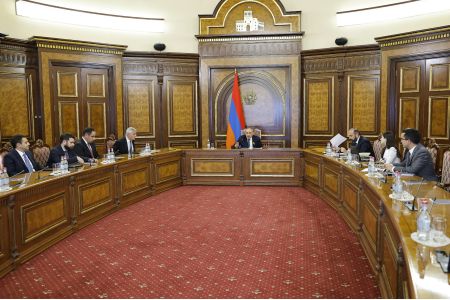


ArmInfo. More favorable conditions will be created in Armenia for beneficiaries interested in developing livestock farming. At its May 21 meeting, the RA government amended the livestock development program for 2025-2029.
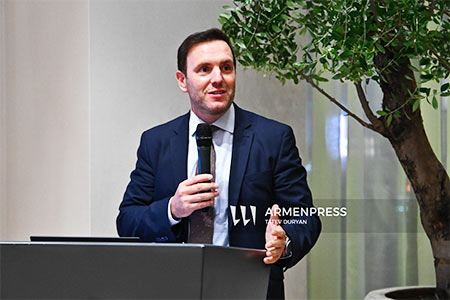
According to Economy Minister Gevorg Papoyan, there have been some problems with meat and milk supplies in the market recently. The program is being implemented in two components: through partial subsidization of loan interest rates and partial compensation for the cost of purchasing livestock. Specifically, the state currently subsidizes 40% of all costs for farmers purchasing 25 or more heads of breeding cattle, and 30% of the estimated maximum price of 1 million drams for up to 25 heads of breeding cattle. It is now proposed to set the cap at 50% of the estimated maximum price of 1.1 million drams per head, regardless of the number of heads. Livestock farms that purchase 1,000 heads instead of the current 300 are also eligible for subsidies.
The second component concerns subsidizing loan interest rates. Interest rates are subsidized so that loans are provided to the beneficiary at 2% per annum for the purchase of breeding cattle raised in the Republic of Armenia, at 3% per annum for the purchase of imported cattle, and at 0% per annum to the founder of a legal entity and individual entrepreneurs who have become disabled as a result of combat operations or military service.
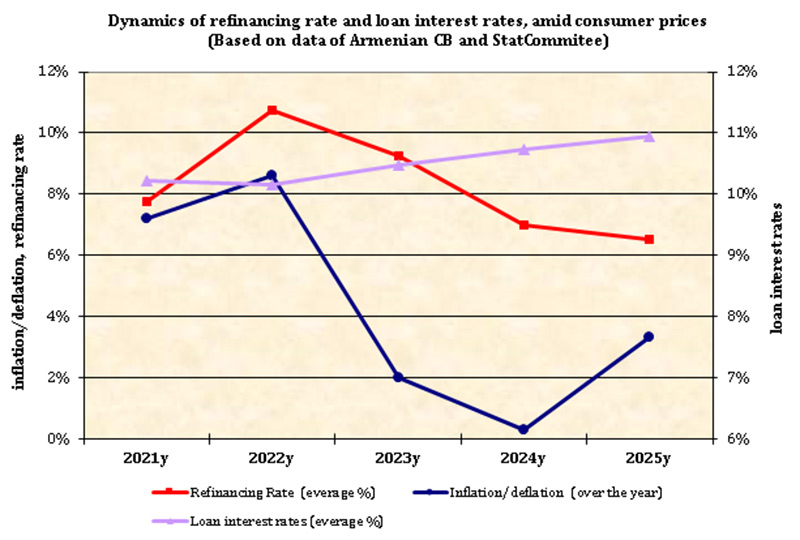
Now, the interest rate on loans will be 0%, provided the loan interest rate does not exceed 14%.
As part of the livestock development program in the Republic of Armenia for 2019-2024, breeding heifers of Holstein, Swiss, Simmental, Montbeliard, and Jersey cattle breeds have been imported into the republic in recent years. These heifers and their offspring produce over 2,400 head of high-value offspring annually. Although limited, this represents a rich gene pool for improving the breeding and productivity characteristics of beef cattle bred in the republic.