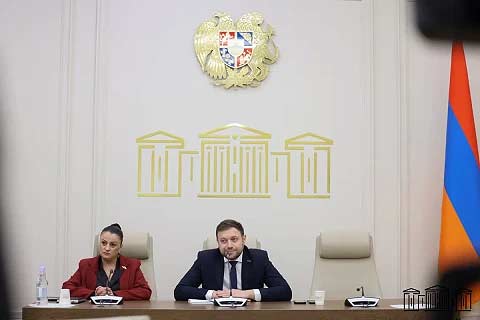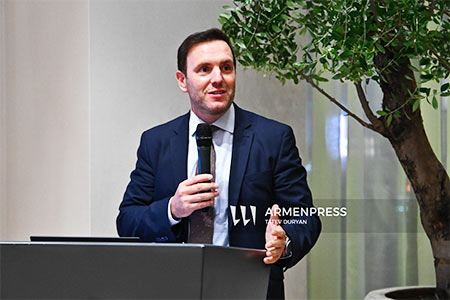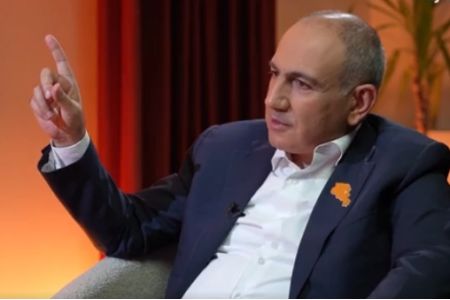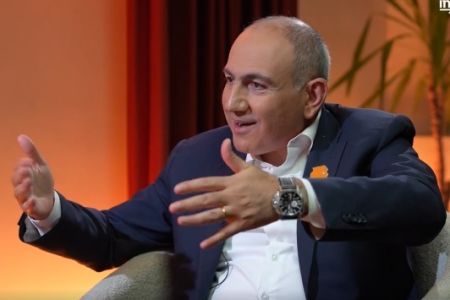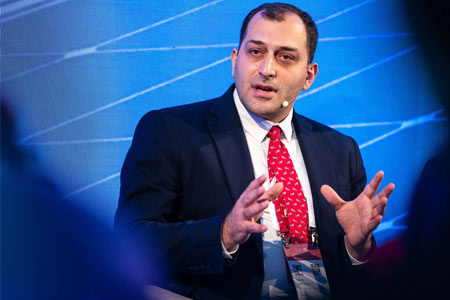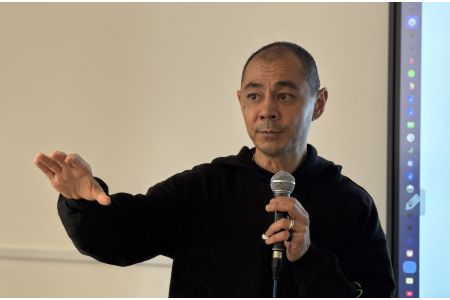


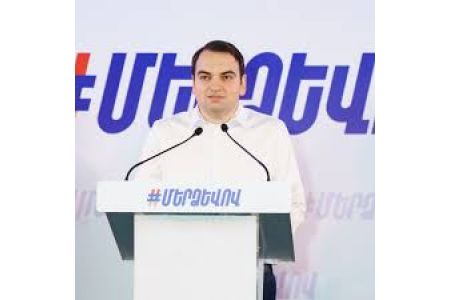
ArmInfo. To diversify the economy, Armenia may expand its gas barter agreement with Iran. This was stated by Narek Karapetyan, a member of the Strong Armenia party council, on Public Television, when asked how his political party views the restrictions imposed by Russia ahead of the parliamentary elections in Armenia on June 7, 2026.
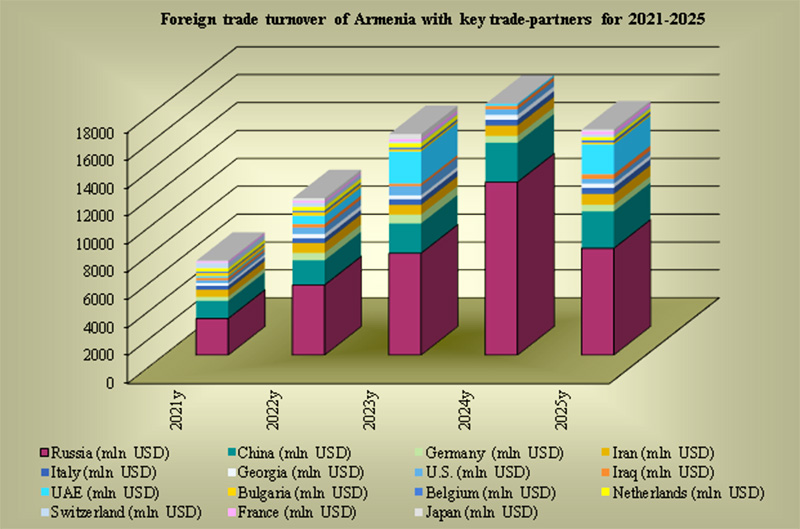
According to Karapetyan, their position is as follows: these restrictions should not have been imposed, since they primarily affect Armenian citizens, especially those living in villages, and not a "small group" (referring to the Armenian government - ed.). However, he urged attention to the fact that this is the result of the policies pursued by the Armenian authorities. "We can't spoil relations with our main ally, with whom we account for 65% of our trade turnover. The Armenian authorities are expanding the list of our enemies, while we are satisfied with the ones we already have," the party's political council member noted.
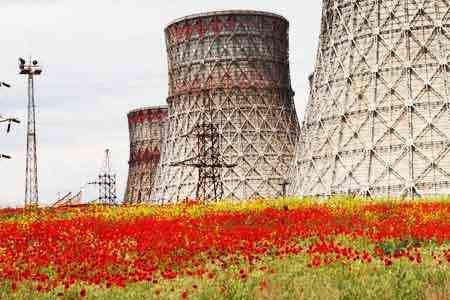
In this regard, he outlined the steps they would take to diversify Armenia's economy if they came to power. According to Karapetyan, they believe Armenia needs to develop relations with other countries in the gas sector. "For example, Armenia could expand its gas barter agreement with Iran. That is, we would receive gas from Iran and provide electricity in exchange. This is what will lead to economic diversification," Karapetyan assured.
According to him, this will also lead to the creation of new jobs. Karapetyan explained that this will be a mutually beneficial cooperation: Armenia imports gas and exports electricity because it has the ability to purchase thermal electronic equipment, while Iran, due to the restrictions imposed on it, faces difficulties accessing such technologies.
"Furthermore, active work will be conducted with other markets. As a result of the transformation of Armenian industry, the country will be able to export its products to Middle Eastern countries and expand its presence in the American market. Iraq is one of the most developed countries in the Middle East. However, like Armenia, it has no local production and is essentially developing thanks to its oil reserves," Karapetyan noted.
According to him, Armenia can conclude major trade agreements with such countries, which will allow for the expansion of Armenian exports. "And as soon as the share of trade turnover with any individual country decreases from the current level, for example, to 25%, the country will become economically independent. This is how countries achieve independence," Karapetyan concluded. As a reminder, on November 1, Armenia and Iran extended their gas-for-electricity barter agreement until 2030. In 2004, Tehran and Yerevan signed a 20-year gas-for-electricity barter agreement, according to which Iran's exported gas would be consumed by power plants in Armenia, and in exchange, Iran would import electricity from Armenia. Armenia has been importing gas from Iran since mid-2009. Armenia has been implementing a "gas-for-electricity" barter agreement with Iran, at a rate of 1 cubic meter of gas from Iran in exchange for 3 kWh of electricity from Armenia. Gas is supplied via the Iran-Armenia gas pipeline, and electricity from Armenia is sent to Iran via two power transmission lines. To increase mutual supply volumes, a third, 400- kilovolt Iran-Armenia power transmission line is being built. It should be noted, however, that the North- South Energy Corridor project, designed to connect the power systems of Iran, Armenia, Georgia, and Russia, has encountered several challenges. While the power transmission line's completion date was previously announced for the end of 2018, by late December 2021, responsible authorities had already stated that the line would be ready by the end of 2023. The Iranian company Sunir is the main contractor for the construction of the 400-kilovolt Iran-Armenia power transmission line. The total cost of the project is $107.9 million, of which 77% will be provided by the Export Development Bank of Iran and 23% by Sunir.