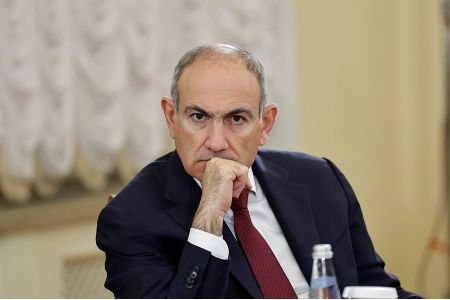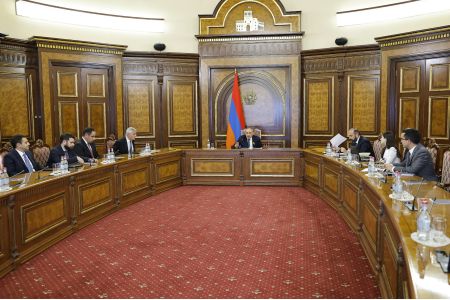



ArmInfo. Under the chairmanship of RA Prime Minister Nikol Pashinyan, a meeting was held on August 12 to discuss scenarios for integrating citizens earning up to 200,000 drams into the universal health insurance system starting January 1, 2027. In his speech, the head of the Armenian government noted that the proposed scenarios involve several key directions.
One focuses on the direct integration of citizens into the universal health insurance system, while the second addresses uncovering shadow payment schemes applied to low-income earners. "The RA government faces the task of solving citizens' social problems without encouraging the shadow sector," the Prime Minister stated.
He added that the government is currently discussing subsidy options for citizens earning less than 200,000 drams who will be enrolled in the system. Specifically, out of the monthly payment of 10,800 drams, the state will cover 4,400 drams, employees will pay 2,000 drams which they previously contributed to the 1000plus (Zinap) Servicemen's Insurance Fund and employers will pay the remaining 4,400 drams. If an employee's salary exceeds the 200,000 dram threshold during their employment, this benefit will terminate, and they will be integrated into the system on general terms.
However, as the Prime Minister emphasized, it is possible that an alternative scenario will take effect as early as January 1, 2028. Under this option, the employee would pay 6,000 drams out of the 10,800 dram total, while receiving 2,000 drams back in the form of a social credit, ensuring minimal disruption to the citizen's financial routine. Pashinyan noted that the employer would continue to cover the remaining portion of the amount.
The Prime Minister observed that one to two months have been allocated to finalize decisions on all these initiatives, stressing the need to intensify discussions to adopt the most viable approach.