

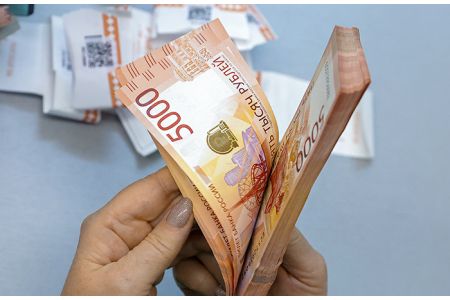
ArmInfo. On September 29, Russian President Vladimir Putin tightened restrictions on the export of cash rubles from Russia. The restrictions will also apply to Armenia.
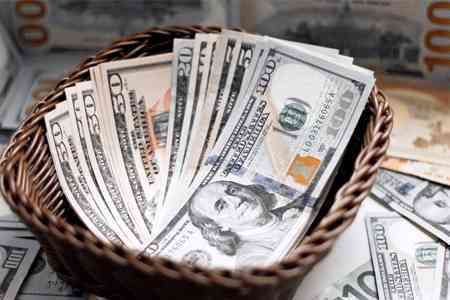
According to the decree of the Russian president, published on the website for the publication of legal acts, citizens are prohibited from exporting more than 1 million rubles to the countries of the Eurasian Economic Union (EAEU) – Armenia, Belarus, Kazakhstan, and Kyrgyzstan – as well as to Azerbaijan, Tajikistan, and Uzbekistan. For legal entities and individual entrepreneurs, the ban applies regardless of the amount. An exception is provided if a citizen exports money through international airports designated by the government and can confirm the withdrawal of the entire amount with bank statements. Separate exceptions have also been made for legal entities engaged in international transportation and supporting the operation of Russian diplomatic and consular offices.
Violating the ban will result in the confiscation of any amount exceeding 1 million rubles from an individual, and all cash exported from a legal entity or individual entrepreneur. The decree comes into force on the day of its signing, September 29.
According to The Moscow Times, Putin previously restricted the export of cash rubles from Russia this spring. Starting April 1, Russians were allowed to take no more than $100,000 in ruble equivalent, or approximately 8.4 million rubles at the current exchange rate, into EAEU countries. This reduced the limit by more than eightfold.
In December of last year, Deputy Prime Minister Alexander Novak presented a plan for structural changes in the economy through 2030. One of its provisions included a ban on the uncontrolled export of cash rubles of unknown origin from Russia, including to EAEU member states, as well as the export of gold bullion. These measures are part of the plan to "whiten" the economy, which Putin demanded be launched. The government expects these efforts to help reduce the share of the "shadow economy" by 1.5% of GDP over the next three years and generate 1 trillion rubles in additional taxes for the budget. Meanwhile, EAEU countries began tightening conditions for depositing cash rubles in June of this year. In Belarus, at least eight banks have set fees of 2-5%, Kazakhstan's BCC has set a 5% fee, and Kyrgyzstan's EcoIslamicBank has set a 5% fee for certain transactions.