


ArmInfo. The only difference between Kazakhstan and Armenia is territory, and Kazakhstan's vast territory allows for large-scale geological exploration. I wouldn't recommend Armenia follow this path; it would be better to attract qualified juniors, but establish a strict sieve.
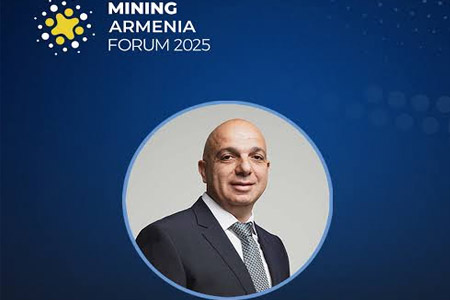
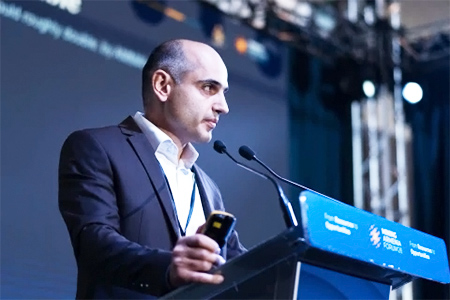
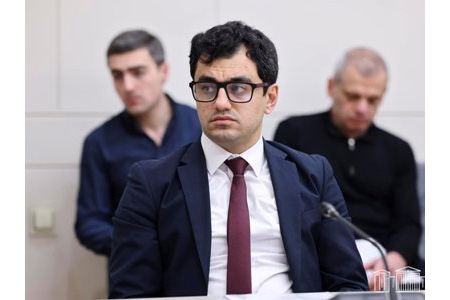
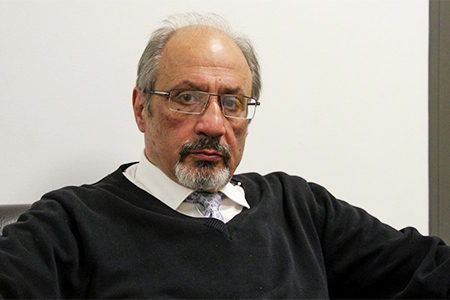
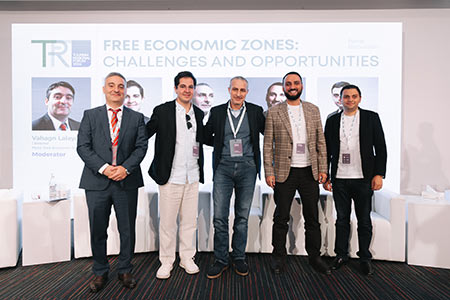
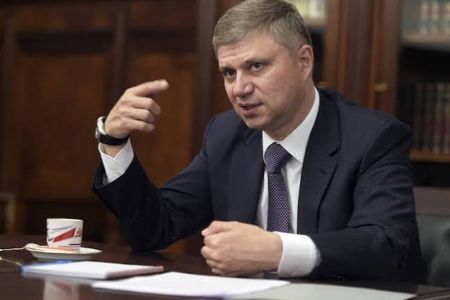
Timur Odilov, a lawyer, partner at Haller Lomax, and one of the developers of Kazakhstan's subsoil use code, voiced a similar opinion on October 16 during the international Mining Armenia Forum.
"Armenia already has queues; I've read the law, but the mechanism isn't properly defined, and it's one of the least transparent mechanisms," he noted.
According to him, it's qualified juniors who will discover deposits. Odilov also noted that turnover discipline is very important. "If a junior company obtains a license, digs around for several years, and finds nothing, you should immediately implement rules that return the block and issue it to a new investor. We've only just set up this mechanism in Kazakhstan, and it's starting to bear fruit," the lawyer noted.
Referring to Armenia's upcoming collaboration with the USGS (United States Geological Survey) to launch a national geological survey, he drew a parallel with Kazakhstan. "If you launch this service as a geological exploration operator, be aware that such a service will have an incentive to spend money forever and without results." "This is the biggest trap that almost all CIS countries have fallen into," Odilov emphasized.
It's important that the primary task of the geological service isn't state control, regulation, or geological exploration, but rather working on geological data to reduce geological costs for private businesses and junior miners, making it easier for them to obtain certain information and store it in a digital database. In Armenia, he said, it's important to digitize the territory and create a digital map that will show where mining is possible and where it isn't, taking into account historical and cultural monuments and other factors.
Continuing to draw a parallel with Kazakhstan, he noted that it is important to change public administration when changing legislation and introducing new rules of the game. "The key mistake we made when adopting the Subsoil Use Code was that the functioning of the state geology service was left unchanged. The president decided to launch a new state national geological service only four years after the reform, and only then did anything change. "That is, it is impossible to adopt new rules of the game without changing public administration institutions. This is the key point," Odilov said.
It should be noted that during the discussions at the Mining Armenia Forum, speakers noted significant difficulties for investors and, at times, unclear rules of the game, which can change depending on the positions of officials in various departments. This negatively impacts the effectiveness of investment projects and the very possibility of entering the Armenian market. In fact, as has been noted, in recent years not a single investor has entered the country's mining sector, except for the company , whose project implementation road nevertheless dragged on for a long 8 years.