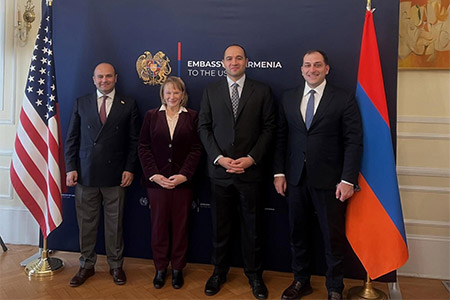


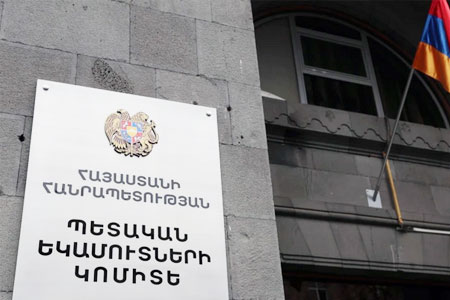
ArmInfo. The State Revenue Committee (SRC) announced the list of goods that will be labeled as part of a pilot program. The program is being implemented from November 1 to 30. This was reported by the Committee's press service, citing the results of the Public Council meeting chaired by Vrezh Mkhitaryan, Deputy Head of the State Revenue Committee (SRC) of Armenia.
In particular, the following product groups are subject to labeling with identification means as part of the pilot programs: food and confectionery products - certain frozen foods, semi-finished products, cookies, and other flour products; natural fur products - clothing, accessories, and other products made of natural fur; pyrotechnic products and fire safety equipment, as well as toys and certain types of bicycles; medical products; - certain pharmaceutical substances, antibiotics, antiseptics and disinfectants, medical gloves, dressings, clothing, glass ampoules, laboratory glassware, wheelchairs, eyeglasses and lenses, medical, surgical, and X-ray equipment, medical furniture, and other items; footwear, cameras, and certain household items, including tablecloths, napkins, and some sprayers; auto parts and tires, including glass, filters, brake system components, and other items.
The purpose of the pilot programs is to evaluate the feasibility of product identification mechanisms, test the operation of the information system, and improve the tracking and control processes for goods.
Emphasizing the importance of effective dialogue between the state and society, the participants discussed the problems and issues identified during the implementation of the pilot programs. At the same time, the importance of economic entities participating in pilot programs on a voluntary basis was emphasized, as well as collecting and submitting information to the Committee on issues arising in their activities, particularly when labeling goods with identification tools within the pilot programs.
The Deputy Head of the State Revenue Committee called on economic entities operating in these areas to join the pilot programs, noting the importance of identifying emerging issues during their implementation.