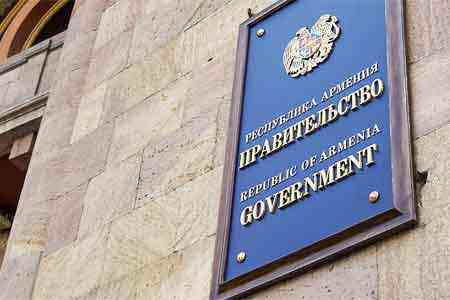



ArmInfo. The Armenian Ministry of Finance has introduced a legislative amendment to restrict companies affiliated with high-ranking officials and their families from participating in state procurement. On April 29, the RA National Assembly's Standing Committee on Economic Affairs approved the second reading of the amendments to the Law "On Procurement."
Deputy Minister of Finance Avag Avanesyan noted in his speech that the bill establishes a new model preventing conflicts of interest, imposing restrictions on participation in public procurement depending on the official's level of influence The model is based on three levels of influence: companies linked to officials with the highest influence—including the President, Prime Minister, Speaker of the National Assembly, and key Finance Ministry leadership—are entirely barred from all public procurement processes across all sectors; officials in administrative or political roles, such as the Prosecutor General and heads of investigative bodies, are prohibited from participating in tenders organized by entities under their direct leadership or influence; members of independent state bodies, including the Central Bank leadership and the Human Rights Defender (Ombudsman), are restricted only from procurement processes conducted by their specific organizations.
The current regulations did not explicitly prohibit such participation, despite the requirements of the anti- corruption strategy and recommendations from international partners. The document defines the concepts of "conflict of interest" and "affiliated participant." Procurement participants are required to declare their lack of affiliation with government officials. If a violation is detected, the customer can unilaterally terminate the contract based on a conclusion by the Corruption Prevention Commission, and the company will be required to return 20% of the funds received without being blacklisted.
The authorities hope that the new rules will strengthen anti-corruption mechanisms in public procurement and increase the transparency of the system.