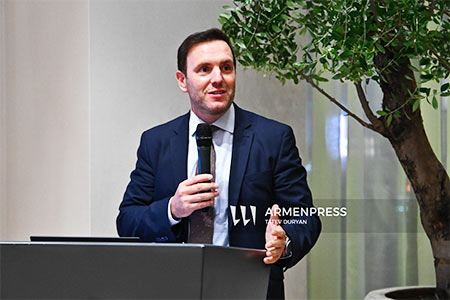


ArmInfo. The new macroeconomic stability management framework adopted by the Central Bank of Armenia has been recognized as the best standard in the world. This was announced on May 5 from the podium of the National Assembly by Central Bank Chairman Martin Galstyan, who has been re-nominated for the position of Central Bank Governor by the country's ruling Civil Contract faction.
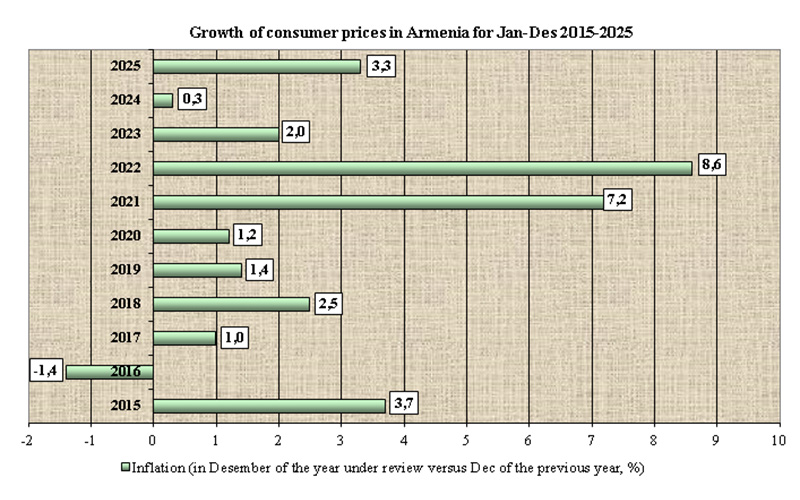
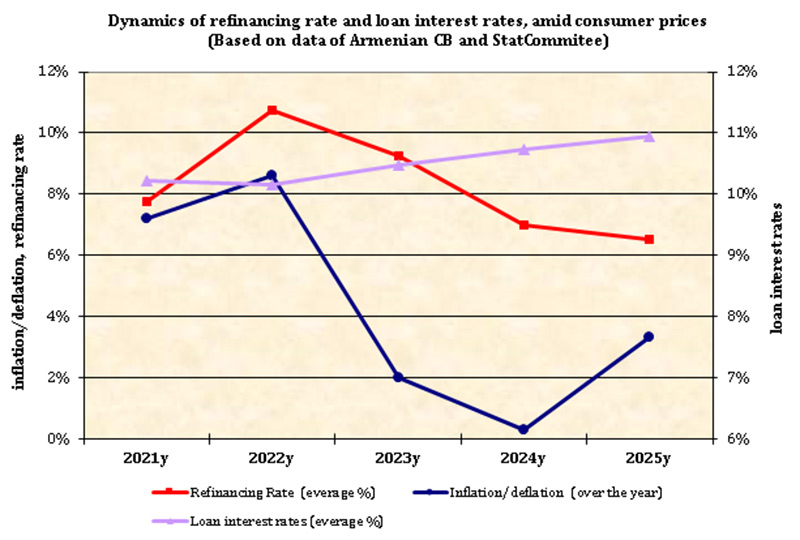
According to the chief banker, many leading central banks around the world are currently declaring their intention to implement similar standards. At the Central Bank's initiative, the National Assembly of the Republic of Armenia lowered the inflation target from 4% to 3% in 2025. This will have a positive impact on ensuring sustainable economic growth in the long term, increase the country's investment attractiveness, and improve the well-being of the population.
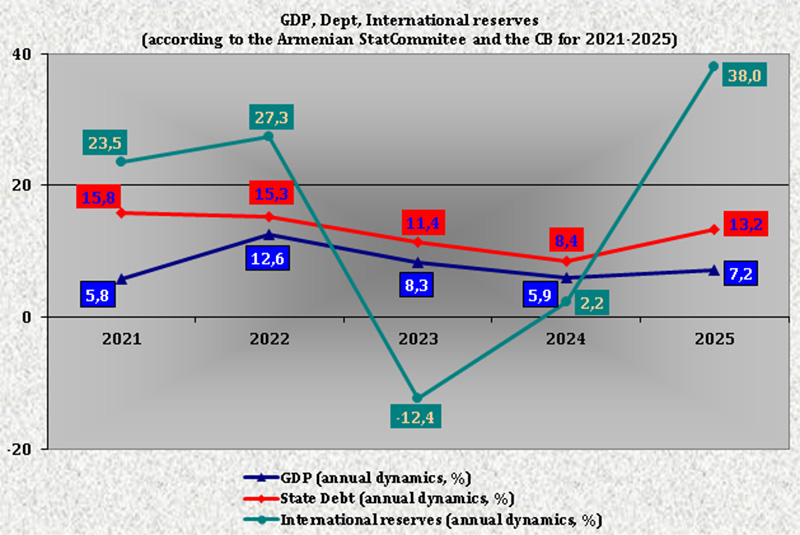
Presenting the financial stability component of macroeconomic stability, Martin Galstyan noted that this component can be ensured if markets and financial institutions are able to withstand shocks and continue to provide financial services to Armenian citizens without problems. Given the unprecedented challenges of 2020, when the world faced the consequences of the coronavirus, the country's financial system could have faced serious undesirable consequences. In that situation, the Central Bank adopted a cautious approach, gradually managing risks to prevent them from negatively impacting financial stability and the economy. Subsequently, a decision was made to accumulate the necessary reserves to counter new potential risks. As a result of the Central Bank's anticyclical policy, it has currently managed to build significant and substantial assets in terms of capital and marketability: over 180 billion drams in capital, 2 trillion drams in marketability, and 790 billion in foreign currency. At the same time, commercial banks with a higher risk profile should have more significant assets, and vice versa. In this case, the Central Bank is taking steps to implement a balanced policy.
Martin Galstyan also reported that, in terms of implementing innovative solutions, the Central Bank is developing a bill to introduce a "Lego license" for the financial sector. This structure will allow financial institutions, including investment banks, to assemble the necessary permits like a construction set, tailoring their services to their specific specialization.
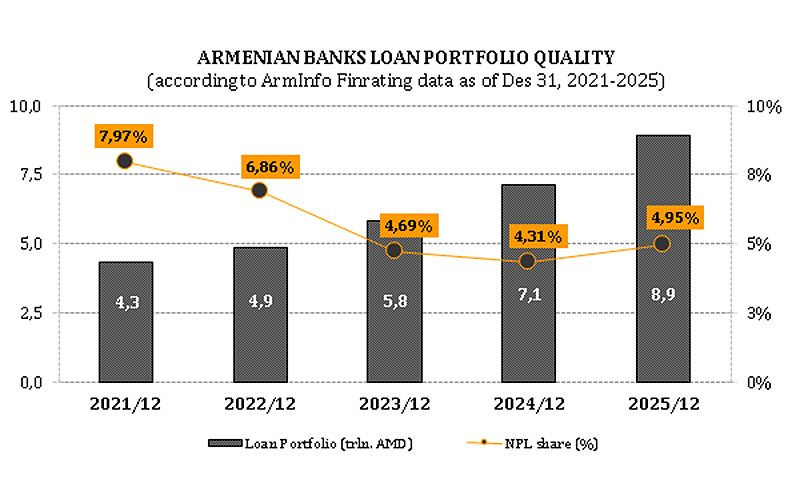
According to the country's top banker, the share of non-performing loans, which represented one of the most serious problems in 2020-2021, is currently at a historically low level. This represents a significant achievement, helping to ensure financial stability and expand lending. Specifically, the ratio of commercial bank loans and assets to GDP is at a historically high level, reaching 64% and 122%, respectively, by the end of 2025.
Another important area of the Central Bank's activity is protecting the interests of clients-depositors, insurers, and other investors-as well as the protection of invested funds. Galstyan reported on the steps being taken to attract new players to the Armenian financial market. He recalled that Ameriabank recently strengthened its position in London, becoming the first Armenian company to be included in the London Stock Exchange's list of the 100 largest companies as part of the Lion Finance Group. This event, Martin Galstyan continued, will help shape the market, bringing renowned foreign banks into the market.