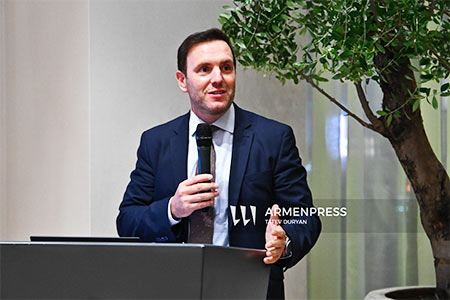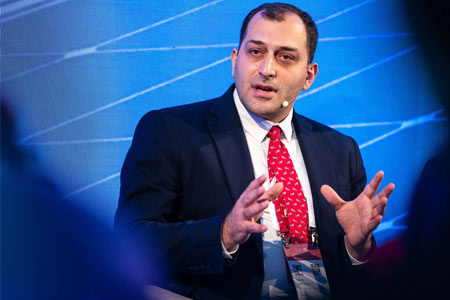



ArmInfo. A predictable and stable macroeconomic environment is crucial for the development of Armenia's financial market, CBA Governor Martin Galstyan said today. He made the remarks in his keynote speech at the opening of the international conference on capital market development, "25 Years of Excellence, Growth, and Global Integration," which marks the 25th anniversary of the Armenian Securities Exchange (AMX).
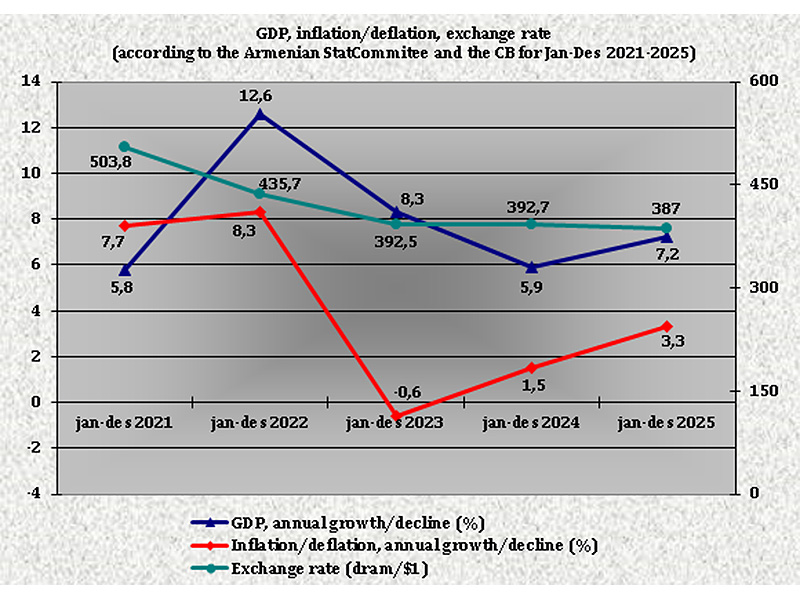
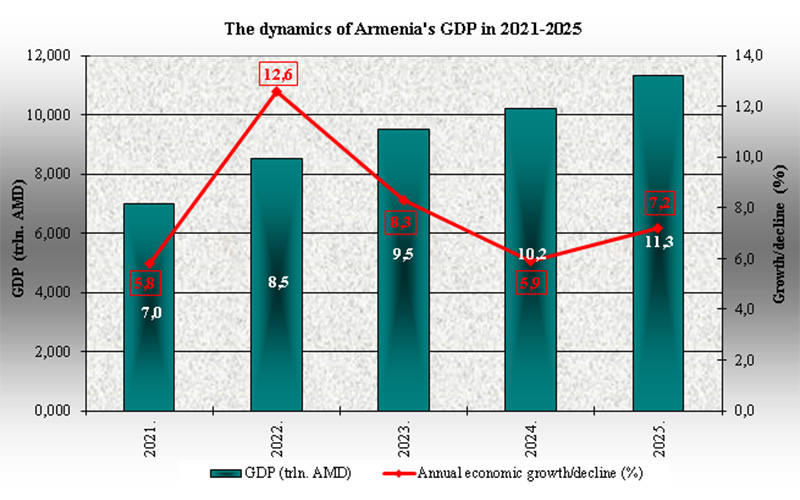
According to him, the Armenian economy has undergone a profound transformation over the past few years, significantly expanding in size, broadening its production capacity and competitiveness, and firmly establishing macroeconomic stability. Since 2022, GDP growth has averaged 8.5% quarterly, representing one of the highest growth rates in the world. his expansion was primarily driven by the construction and services sectors, including export-oriented, knowledge-intensive industries such as finance and IT.
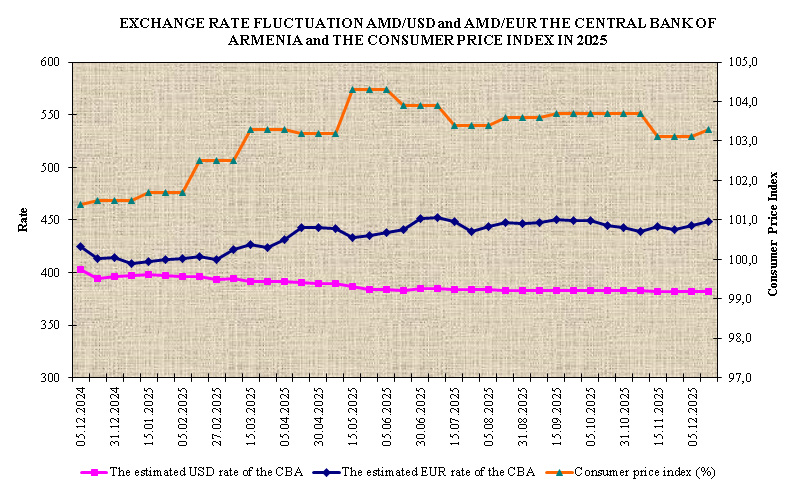
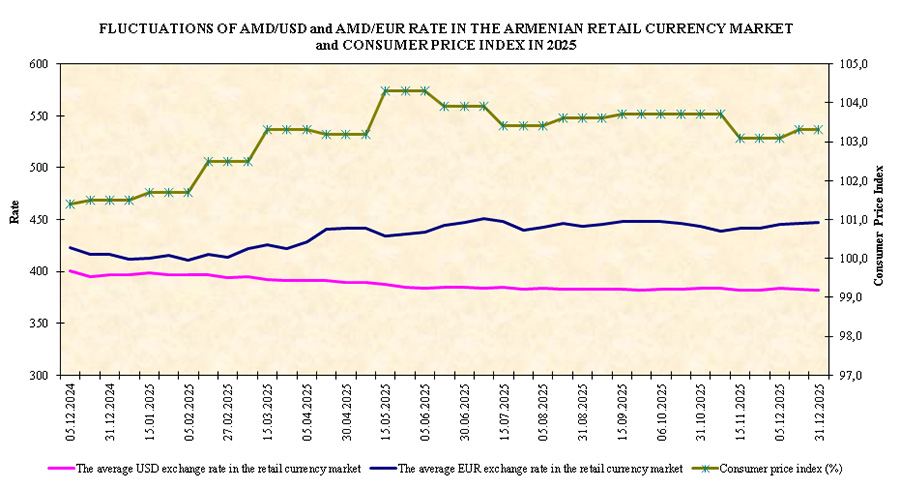
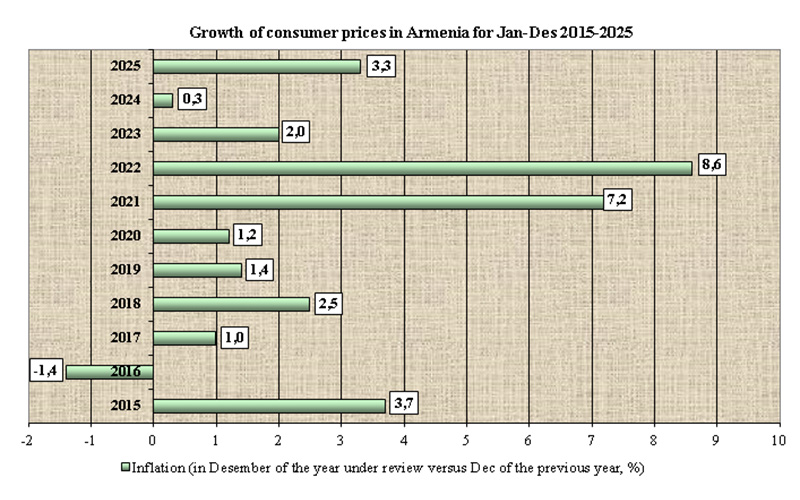
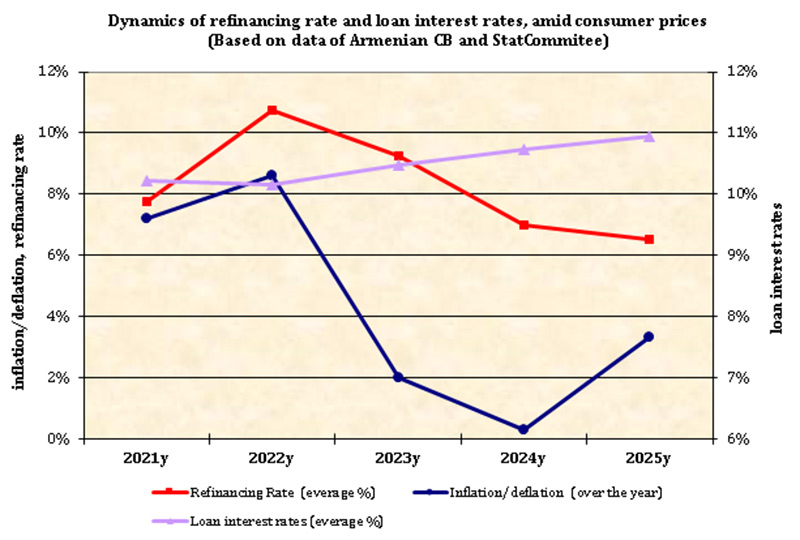
At the same time, inflation has remained low and stable for nearly three years, aligning with or falling below the Central Bank's target rate of 3%. Although inflation edged up slightly in the second quarter of 2026, this was largely driven by supply-side factors in the energy and food markets. Nevertheless, the Board continues to closely monitor inflationary dynamics. Although inflation rose slightly in the second quarter of 2026, this was largely due to supply-side factors in energy and food markets. Nevertheless, the Council continues to closely monitor inflation dynamics.
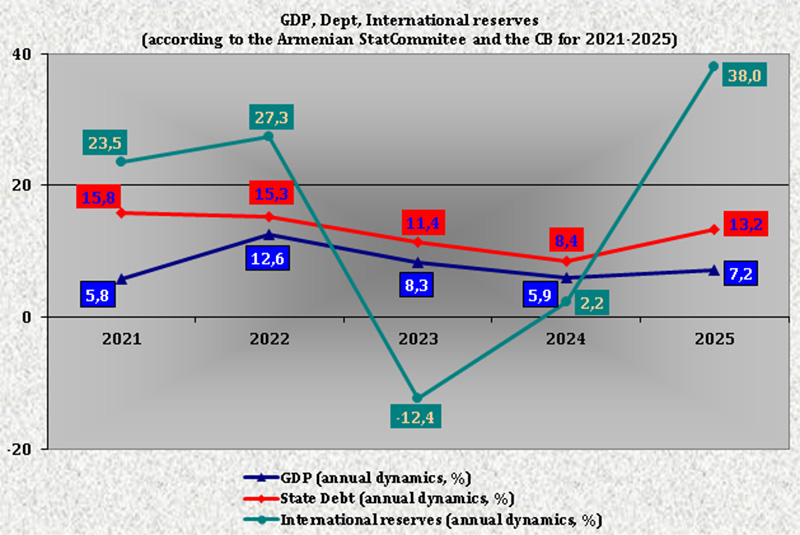
It was noted that prudent fiscal policy remains a key factor in macroeconomic stability. The government remains committed to a credible fiscal policy, allowing us to maintain sustainable debt and deficit levels while simultaneously executing long-term investments in education, infrastructure, and structural reforms necessary to secure sustainable and steady long-term growth and development.
According to him, Armenia's significant achievements in macroeconomic stability—amid a highly volatile and crisis-prone global and regional economic environment—are the result of continuous investment in institutional capacity and sound macroeconomic policies implemented by both the Ministry of Finance and the Central Bank.
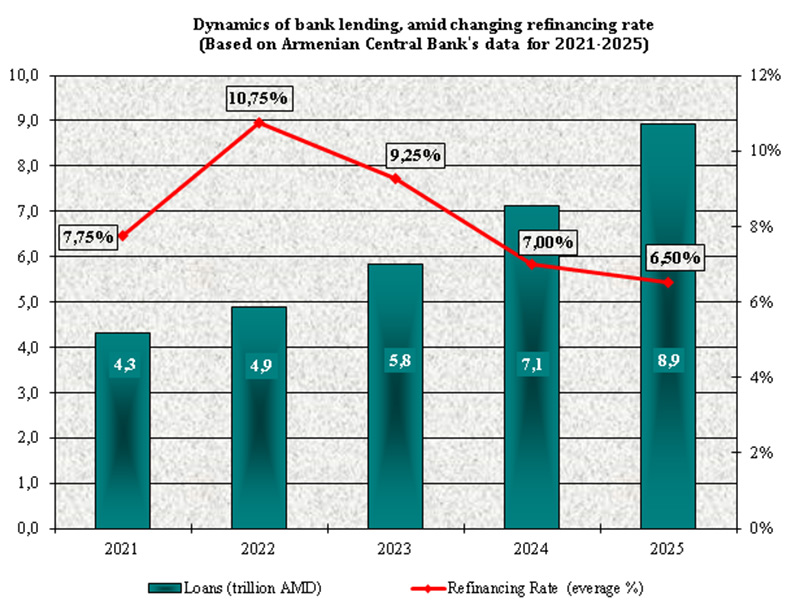
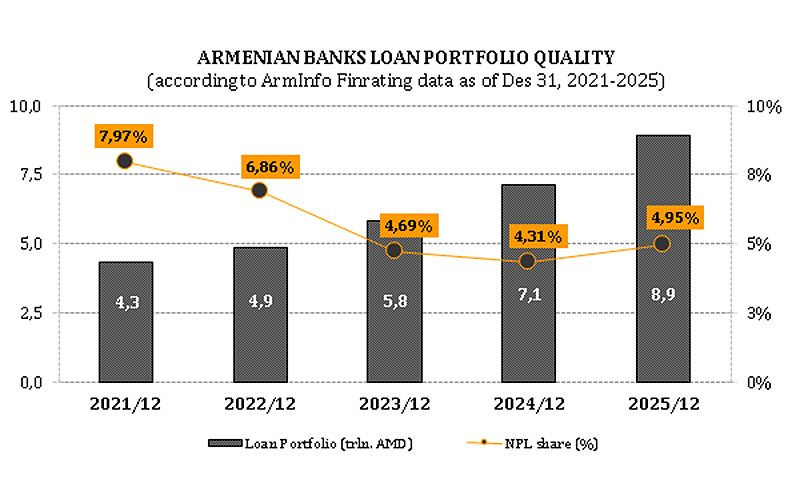
All these conditions have strengthened the Armenian banking system, which is well positioned and has All of these conditions have reinforced the positions of the Armenian banking system, which is well-positioned and holds sufficient capital exceeding regulatory requirements. The financial system has undergone significant evolution and development in recent years, substantially expanding in size and deepening financial intermediation. The assets of the banking system exceed the national GDP. The aggregate loan portfolio stands at approximately 65% of GDP, which is comparable to the metrics of many high-income countries.
As of March 2026, the capital adequacy ratio stood at 20.5%, and the liquidity ratio was 30.8%, both significantly above regulatory thresholds. The non-performing loan (NPL) ratio, which reflects the share of overdue loans in the total portfolio, is at an all-time low of 1.4%. In this regard, it is worth noting that the system's growth has not come at the expense of quality.
According to the Governor of the Central Bank of the Republic of Armenia, these robust indicators are a positive sign of the underlying health of the banking system, including its capacity to withstand any unforeseen risks or shocks in the future.